


Opportunities for Undergraduate Research
Independent research is an important and rewarding part of the undergraduate chemistry experience.
Many students begin by enrolling in Individual Investigation (CHEM 40796). Some choose to expand their work into a senior thesis project. Both options give you the opportunity to work one-on-one with a faculty mentor and develop the skills needed to succeed as a practicing chemist.
Research allows you to build hands-on experience, strengthen your critical thinking, and explore questions that go beyond the traditional lab classroom. Undergraduate researchers often present their work at professional conferences and may even publish in scientific journals. These experiences can strengthen applications to graduate programs, medical or professional schools, and industry positions.
The Department of Chemistry and Biochemistry offers a wide range of research opportunities for undergraduates. On this page, you鈥檒l find brief descriptions of faculty research interests and information about those who are currently accepting undergraduate researchers.
If a faculty member鈥檚 work interests you, reach out to them directly to express your interest. Once you鈥檝e identified a faculty mentor who is willing to supervise your project, you can register for the appropriate course and begin your research journey.
For questions, please contact the Undergraduate Office at (330) 672-2405 or chemug@kent.edu.
Undergraduate Research Projects
-
Dr. Sanjaya Abeysirigunawardena: "Study of Epitranscriptomic Regulation" (Funded by the National Institutes of Health)

Dr. Sanjaya Abeysirigunawardena
Ph.D. Wayne State University, 2008
Associate Professor
126 Integrated Sciences Building
sabeysir@kent.edu
330-672-2667
Study of Epitranscriptomic Regulation (funded by National Institutes of Health)
Understand the evolutionary importance of modified nucleotides in RNA-protein interactions during epitranscriptomic regulation.
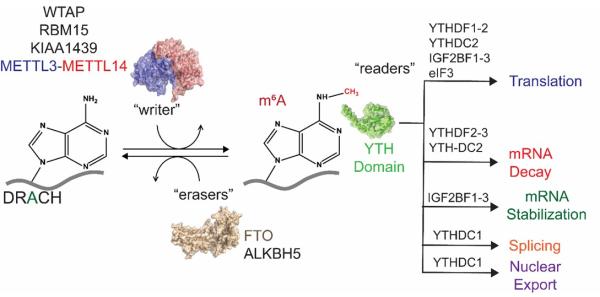
- Investigate the key structural and sequence properties of proteins important for m6A recognition using phage display methods.
- Discover novel methyl-readers those involved in epitranscriptomic regulation using protein pulldown assays followed by bioinformatic analysis.
- Investigate key differences between direct and indirect readings of m6 A.
Drug Discovery
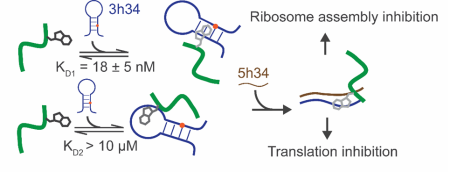
Discovery of small molecules that bind to various RNA drug targets.
- Discovery of novel antibacterial and anticancer agents by inhibiting RNA modification enzymes.
Ribosome Biogenesis
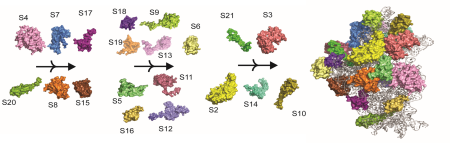
Investigate the ability of modification enzymes and their respective modifications to influence bacterial ribosomal assembly.
- Study the impact of modification enzymes on the co-transcriptional assembly of bacterial 30S ribosome subunit.
- Investigation of the ability of modification enzymes to modulate RNA dynamics using single molecule spectroscopy.
- Determination of the correlation of the antibiotic resistance in bacteria, ribosome assembly, and modification enzymes.
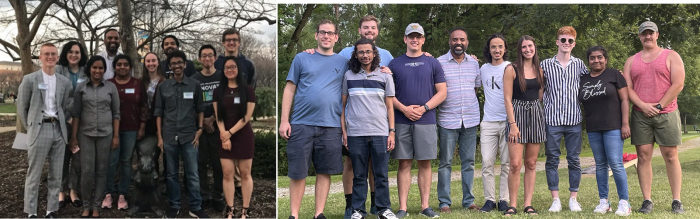
Meet the People in the Abey Research Group
Five graduate and over 30 undergraduate researchers have been actively involved in research in the Abey group. These undergraduate researchers include students majoring in Chemistry, Biology, and Biotechnology. In the Abey Lab, we strive for inclusivity!
To learn more about the Abey Research Group, please visit .
-
Dr. Scott Bunge: "Inorganic and Materials Chemistry"

Dr. Scott Bunge
Ph.D. Georgia Institute of Technology, 2001
Associate Professor
311E Williams Hall
sbunge@kent.edu
330-672-3816
Inorganic and Materials Chemistry
Inorganic and Materials Chemistry:
Our research group intends to make a strong contribution to the fields of inorganic chemistry, nanoscale science and technology, and materials science. With this aim, standard Schlenk and glovebox techniques are employed to synthesize a variety of low-coordinate air and moisture sensitive inorganic precursors. Characterization methods include multinuclear NMR, X-ray crystallography, FT-IR and UV/VIS spectroscopy, TGA/DTA, SEM, TEM and X-ray powder diffraction.
These investigations, while rooted in traditional aspects of chemistry, will often involve students in collaborations with an array of other scientists and engineers. Group members will have their own projects; however, each group member's research will have significant overlap with others in the group. As such, the students' depth of fundamental chemical principles will become augmented by exposure to a breadth of additional concepts. It is anticipated that such a combination of skills results in a fertile and creative environment for achievement of research goals. Therefore, students should frequently expand beyond the reaches of classical chemistry subjects, and embrace additional areas, as required, for the successful execution of a specific project.
Self-Assembly of Inorganic Nanocrystals:
It is envisioned that working on nanoscale materials will lead to unprecedented products in electronics, biotechnology, medicine, transportation, agriculture, environment, national security and other fields. To achieve these products, one of our initial goals is attaining a fundamental scientific understanding of nanoscale phenomena, particularly collective phenomena. In support of this goal our research proposes a rational and convenient method to construct and examine the properties of hybrid, self-assembled inorganic/organic nanostructures. A variety of individuals (from 1st year undergraduate students to experienced postdoctoral fellows) will contribute to this project while gaining both training and education in nanotechnology. This is a fundamental tenant of the nation鈥檚 nanotechnology initiative.
Gold Chemistry:
In today's society, gold chemistry currently has an important role in fields such as electronics and medicine. However, there is still a current lack of understanding in the fundamental reaction chemistry of gold. The development of gold (I) chemistry is dominated by the viewpoint that gold is a prototypical soft Lewis acid, which forms its most stable complexes with soft Lewis bases. Accordingly, the synthesis of gold (I) complexes with hard Lewis bases such as oxygen, nitrogen, or carbon has been limited to a select number of examples. Such complexes have been described as intrinsically unstable, and therefore, have a pronounced tendency to either decompose to gold metal or aggregate into ill-defined clusters. Similar problems, although to a lesser extent, have been described for copper and silver. This instability has historically been described as a limitation to the development of gold chemistry. However, a few recent reports have hinted that a much richer field of coordination chemistry might be accessible. Therefore, in order to contribute to the understanding of this important metal, it is the goal of this research proposal to investigate the chemistry of previously "inaccessible" gold (I) alkyls, amides and alkoxides.
These novel complexes will be isolated as crystalline solids and characterized via solution and solid-state NMR, X-ray crystallograpy, FT-IR and UV/VIS spectroscopy. Throughout this investigation, the stability and reaction chemistry of these complexes will be investigated. It is the intention of this proposal to generate a large family of complexes in order to gain a true appreciation for the intrinsic stability of gold complexes
Group 11 Metal-Organic Precursors:
The semiconductor industry continues to undergo rapid technological changes, especially in fabricating nanoscale integrated circuit (IC) devices. Smaller device features and a need for increased chip surface area have led to the use of multilevel interconnections to increase the functionality of IC devices. The search for better performance has led to consideration of materials such as Cu, Ag, and AU for use as interconnections. Historically, industry has relied on well-established approaches, such as physical vapor deposition, to create such interconnects. However, due to considerations such as cost and the nanoscale size regime the devices now have entered, interconnects fabricated via metal-organic chemical vapor deposition (MOCVD) and more recently nanocrystal deposition are increasingly favored. Currently, there is a lack of suitable CU, Ag, and Au precursors that have attributes desired for MOCVD and nanocrystal synthesis.
-
Dr. Bansidhar Datta: "Suppression of Tumor Growth Via Gene Transfer"

Dr. Bansidhar Datta
Ph.D. University of Nebraska, 1989
Associate Professor
014 Science Research Lab
bdatta@kent.edu
330-672-3304
My research focus is to suppress tumor growth in ex-vivo cell culture model and in vivo animal model by regulating the expression of p67 gene. P67, also known as MetAP2, regulates the level of phosphorylation of eukaryotic initiation factor 2 (eIF2) and extracellular signal-regulated kinases 1 and 2 (ERK1/2). EIF2 maintains the rate of global protein synthesis, whereas ERK1/2 controls the cell signaling mediated by the proto-oncogene Ras. In more than 60% of human cancers, Ras is mutated. Expression of mutant Ras in ex-vivo cell culture system transforms cells and injection of these transformed cells into nude mice causes localized tumor formation. However, this tumor growth could be suppressed by overexpressing p67 prior to the injection into nude mice. Well-developed blood vessels were identified in mouse tumors caused due to the expression of mutant Ras whereas, undeveloped and spongy type of blood vessels were more prominent in tumors if p67 was overexpressed in Ras-transformed cells prior to the injection into nude mice. These observations also indicate that p67 is interfering in angiogenesis in tumors.
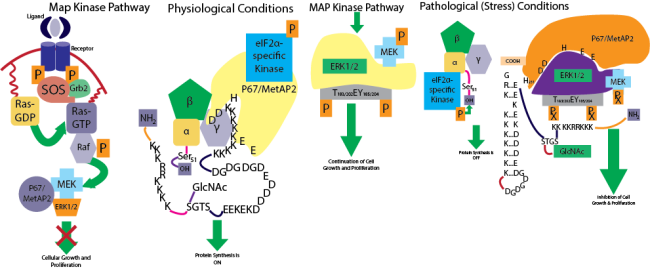
Expression of p67 could be controlled via several mechanisms: (i) when cells were treated with fumagillin, an epoxy compound isolated from fungus, that binds to H231 of p67 covalently and inhibits it auto-proteolytic activity. As a result, p67 accumulates inside the cells and binds to ERK1/2 to inhibit their phosphorylation. This also leads to the dissociation of p67 from EIF2, allowing it to be phosphorylated by its inhibitory kinases and shuts down the global protein synthesis. The inhibition of ERK1/2 phosphorylation by p67 leads to the inhibition of cell signaling mediated by Ras and thus acts as a negative regulator of cell cycle. Together, p67 acts as a mediator communicating with cell cycle and protein synthesis machinery. (ii) The promoter regions of p67 contains several cis-elements that could act as binding sites for different activators, which can control the expression of p67 in response to several growth conditions. (iii) Overexpression of cloned p67 gene in mammalian cells via different expression vectors. Using these different mechanisms we are now focusing on the suppression of cell growth of different human tumor cells.
Scholarly, Creative & Professional Activities
- Datta, B. (2014) Diversified roles of p67/MetAP2 as a regulator of cell growth and differentiation, in tumor suppression, and in obesity (Review). Curr. Topics Biochem. Res. 16:41-52.
- Datta, B., Datta, R., and Tammali, R. (2014) Lysine-rich domains of eukaryotic initiation factor 2-associated glycoprotein, p67 are involved in the suppression of phosphorylation of several cellular kinases. Intl. J. of Biotech. Biochem. 10:141-156.
- Tammali, R., Datta, R., Datta, B. (2014) Phosphorylation of double-stranded RNA activated kinase, PKR is induced by eukaryotic initiation factor 5 (eIF5), which is also a major substrate for this kinase in vitro. Intl. J. of Biotech. Biochem. 10:127-140.
- Datta, B. and Datta, R. (2014) Inhibition of phosphorylation of cdk2 and cdc2 in rat tumor hepatoma cells constitutively expressing specific p67 mutants. Intl. J. of Biotech. Biochem. 10:113-125.
- Datta, B. and Datta, R. (2014) Phosphorylation of eukaryotic initiation factor 2a during differentiation of mouse myoblasts into myotubes is mediated by an unknown kinase. Intl. J. Adv. Res. Chem. Sci. 1:1-5.
- Ghosh,A., Tammali, R., Balusu, R., Datta, R., Chattopadhyay, A., Bhattacharya, M., and Datta, B. (2014) Oligomerization of the eukaryotic initiation factor 2-associated glycoprotein p67 requires N-terminal 1-107 amino acid residues. Intl. J. Appl. Biotech. Biochem. 4:25-44.
- Datta, B., Earl, D., Roods, M., Datta, S. (2014) Analysis of p67/MetAP2 gene from mammals. Intl. J. Mol. Genet. 5:1-12.
- Majumdar, A., Ghosh, A., Datta, S., Prudner, B., and Datta, B. (2010) P67/MetAP2 suppresses K-RasV12 mediated transformation of NIH3T3 mouse fibroblasts in culture and in athymic mice. Biochemistry 49:10146-10157.
- Datta, B., (2009) Roles of P67/MetAP2 as a tumor suppressor 鈥� a review. BBA - Reviews on Cancer. 1796:281-292.
- Datta, B., Ghosh, A., Majumdar, A. & Datta, R. (2007) Autoproteolysis of Rat p67 Generates Several Peptide Fragments: The N-Terminal Fragment, p26, Is Required for the Protection of eIF2a from Phosphorylation. Biochemistry 46:3465-3475.
- Ghosh, A., Datta, R., Majumdar, A., Bhattacharya, M., and Datta, B. (2006) The N-terminal lysine residue-rich domain II and the 340-430 amino acid segment of eukaryotic initiation factor 2-associated glycoprotein p67 are the binding sites for the g-subunit of eIF2. Exp. Cell Res. 312:3184-3203.
- Datta, B., Datta, R., Ghosh, A., and Majumdar, A. (2006) The binding between p67 and eukaryotic initiation factor 2 plays important roles in the protection of eIF2alpha from phosphorylation by kinases. Arch. Biochem. Biophys. 452:138-148.
-
Dr. Barry Dunietz: "Quantum Chemistry - Electronic Structure Modeling"

Dr. Barry Dunietz
Ph.D. Columbia University, 2000
Professor
300 Williams Hall
bdunietz@kent.edu
330-672-8401
We employ and develop computational quantum chemistry methods to investigate the electronic properties of complex molecular systems. A central goal of our research is to understand how molecular structure and environment control the transfer and transport of electronic excitation energy and charge. These processes are important in areas ranging from solar-energy conversion and molecular optoelectronics to natural and artificial photosynthetic systems.
Our research uses state-of-the-art electronic structure methods, particularly density functional theory (DFT), together with molecular modeling and computational analysis. Undergraduate researchers can become involved in computational studies of molecular structure, excited states, charge and energy transfer, and the effects of molecular environments on electronic properties. Projects may involve running electronic structure calculations, analyzing molecular and electronic-structure data, and developing computational needs.
Our work is highly collaborative. We interact with experimental groups working in molecular synthesis, spectroscopy, and related areas, as well as with theoretical and computational researchers who bring complementary expertise. Undergraduate students work alongside graduate students, postdoctoral researchers, and other members of the group and can participate directly in these collaborative research efforts.
Our research is supported by external funding agencies. Further information about current projects and opportunities is available through our or by contacting us directly.
Select Recent Publications
- Charge Transport in Solvated Donor鈥揂cceptor Functionalized Peptoids: Molecular Dynamics and Rate Theory. Z. Huang, B. S. Harris, S. T. Bakenhaster, R. Khatri, M. S. Cheung, B. D. Dunietz, M. D. Baer, and E. Geva, J. Chem. Theory Comput. 22 (2026), 7897鈥�7912.
- Energy Decomposition Analysis of Excited States Based on Time-Dependent Density Functional Theory Calculations Employing a Dielectric-Screened Range-Separated Hybrid Functional. R. Khatri and B. D. Dunietz, J. Chem. Theory Comput. 21 (2025), 10281鈥�10292.
- Accurate Singlet鈥揟riplet Excited States Energy Gap Can Be Mastered by Time-Dependent Density Functional Theory Calculations Based on a Dielectric-Screened Range-Separated Hybrid Functional. R. Khatri and B. D. Dunietz, J. Phys. Chem. C 129 (2025), 436鈥�446.
- Anisotropic Dielectric Screened Range-Separated Hybrid Density Functional Theory Calculations of Charge Transfer States across an Anthracene鈥揟CNQ Donor鈥揂cceptor Interface. C. Chakravarty, M. A. C. Saller, H. Aksu, and B. D. Dunietz, J. Chem. Theory Comput. 20 (2024), 10751鈥�10763.
- Antioxidative Triplet Excitation Energy Transfer in Bacterial Reaction Center Using a Screened Range Separated Hybrid Functional. K. Begam, H. Aksu, and B. D. Dunietz, J. Phys. Chem. B 128 (2024), 4315鈥�4324.
-
Dr. Mahinda Gangoda: "Analytical Instrumentation Facility Research Opportunities"

Dr. Mahinda Gangoda
Ph.D. 性福五月天 University, 1983
Research Engineer
017 Williams Hall
mgangoda@kent.edu
330-687-4157
Research Opportunities in the Analytical Instrumentation Facility
The Analytical Instrumentation Facility (AIF), located in the Department of Chemistry and Biochemistry, performs pilot or short-term industrial research projects using a wide range of state-of-the-art analytical instruments.
The major instruments and instrumental techniques used in these research projects are: NMR, GC, GC/MS, HPLC, HPLC/MS, DSC, TGA, elemental analysis, FT-IR and UV-VS. Interested students will receive training on the instrumentation if they have no previous experience with it.
-
Dr. Torsten Hegmann: "Liquid Crystal - Nanomaterial Interactions"

Dr. Torsten Hegmann
Director, Advanced Materials & Liquid Crystal Institute
Ph.D. Martin Luther University, Halle (Germany), 2001
Professor, Chemistry & Biochemistry and Materials Science Graduate Program
201E Liquid Crystals & Materials Science Building
thegmann@kent.edu
330-672-7770
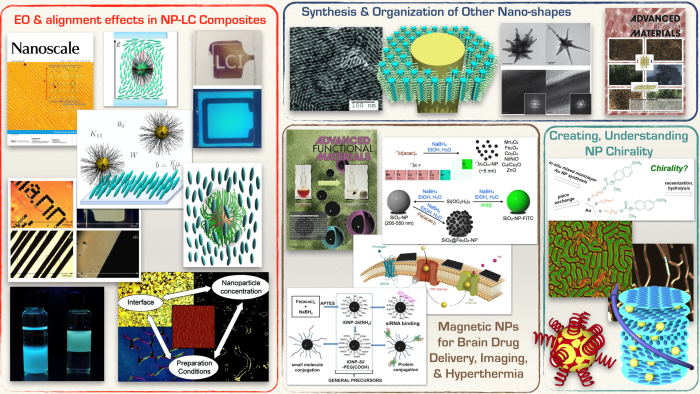
Research in our group focuses on three major themes: (1) Chirality and chirality transfer, (2) Zero-power toxic gas sensors, and (3) Organic nano- and microfilaments. All research areas are highly multidisciplinary and collaborative. Students working on these themes develop skills in organic as well as nanomaterial synthesis, a wide range of materials characterization techniques, and to some degree soft matter physics. We have key collaborations with experts in their respective fields in place, which is critical when tackling multidisciplinary research targets.
Recent Publications
- G. Acharjee, L. Querciagrossa, G. A. R. Rohaley, N. M. Kamuti, A. Gowda, S. K. Pathak, A. Shah, K. Zhang, J. Wang, C. Zannoni, T. Hegmann, Angew. Chem. Int. Edit. 2026, 65, e1907246. 鈥淭he role of shape commensurability in chirality transfer: Gold nanoshape solutes in a discotic nematic liquid crystal solvent鈥�&苍产蝉辫;
- R. A. Williams, A. Shah, G. A. R. Rohaley, G. Pegorin, D. Motovilov, A. Schneider, E. Hegmann, M. E. Pr茅v么t, T. Hegmann, Proc. SPIE 2025, 13678, 136780A. 鈥淶ero-power, optical H2S sensors utilizing printed nematic liquid crystal patterns on metal salt-based reactive substrates鈥�&苍产蝉辫;Best Student Paper Award
- R. A. Williams, G. A. R. Rohaley, A. Gowda, G. Pegorin, A. Oprandi, D. Motovilov, A. Schneider, E. Hegmann, M. E. Pr茅v么t, T. Hegmann, Adv. Sens. Res. 2025, 4, 2400166. 鈥淶ero-power, optical toxic gas and vapor sensors utilizing printed nematic liquid crystal patterns on selectively reactive substrates鈥�
- A. Gowda, G. Acharjee, S. K. Pathak, G. A. R. Rohaley, A. Shah, R. P. Lemieux, M. E. Pr茅v么t, T. Hegmann, Mater. Horizons 2024, 11, 5550-5563. 鈥淐ontrolling nano- and microfilament morphology by strategically placing chiral centers in the side chains of bent-core molecules鈥�
- A. Gowda, S. K. Pathak, G. A. R. Rohaley, G. Acherjee, A. Oprandi, R. Williams, M. E. Pr茅v么t, T. Hegmann, Mater. Horizons 2024, 11, 316-340. Organic chiral nano- and microfilaments: types, formation, and template applications鈥�
- A. Nemati, L. Querciagrossa, C. Callison, S. Shadpour, D. P. N. Gon莽alves, T. Mori, X. Cui, R. Ai, J. Wang, C. Zannoni, T. Hegmann, Sci. Adv. 2022, 8, eabl4385. 鈥淓ffects of shape and solute-solvent compatibility on the efficacy of chirality transfer: nanoshapes in nematics鈥�
- D. P. N. Gon莽alves, T. Hegmann, Angew. Chem. Int. Edit. 2021, 60, 17344-17349; Angew. Chem. 2021, 133, 17484-17489. 鈥淐hirality transfer from an innately chiral nanocrystal core to a nematic liquid crystal: Surface鈥恗odified cellulose nanocrystals鈥�&苍产蝉辫;Hot Paper
- M. E. Pr茅v么t, A. Nemati, T. R. Cull, E. Hegmann, T. Hegmann, Adv. Mater. Technol. 2020, 5, 2000058. 鈥淎 zero-power, optical ppt- to ppm-level toxic gas and vapor sensor with image, text and analytical capabilities鈥�
- S. Shadpour, A. Nemati, J. Liu, T. Hegmann, ACS Appl. Mater. Interfaces 2020, 12, 13456-13463. 鈥淒irecting the handedness of helical nanofilaments confined in nanochannels using axially chiral binaphthyl dopants鈥�&苍产蝉辫;
- S. Shadpour, A. Nemati, M. Salamon虂czyk, M. E. Pr茅v么t, J. Liu, N. J. Boyd, M. R. Wilson, C. Zhu, E. Hegmann, A. I. J谩kli, T. Hegmann, Small 2020, 16, 1905591. 鈥淢issing link between helical nano- and microfilaments in B4 phase bent-core liquid crystals, and deciphering which chiral center controls the filament handedness鈥�&苍产蝉辫;
- A. Nemati, S. Shadpour, L. Querciagrossa, T. Mori, C. Zannoni, T. Hegmann, ACS Nano 2019, 13, 10312-10326. 鈥淗ighly sensitive, tunable chirality amplification through space visualized for gold nanorods capped with axially chiral binaphthyl derivatives鈥�
-
Dr. Songping Huang: "Nanomedicine 鈥� Development of Novel Nanoparticles to Target the Vulnerability of Iron Metabolism for Treating Bacterial Infections and Cancer"

Dr. Songping Huang
Ph.D. Michigan State University, 1993
Professor
330 Integrated Sciences Building
shuang1@kent.edu
330-672-2230
Research work in Huang Group is divided into three major areas: (1) rational design and synthesis of small-molecule antimicrobial agents that have different cellular or molecular targets than those of the conventional antibiotics for combating antimicrobial resistance (AMR); (2) harnessing cytotoxicity from ferroptosis for cancer treatment; and (3) development of MRI contrast agents for gastrointestinal (GI) tract imaging.
Antibiotics have underpinned modern medicine for well over 70 years. Their use has reduced childhood mortality, increased life expectancy, made invasive surgery and organ transplant possible, and ensured the safety of cancer chemotherapy, to name just a few. Meanwhile, in response to the widespread use and misuse of antibiotics in humans and animals, bacterial pathogens have accelerated the process of mutation to develop drug resistance to these medicines. As a result, drug-resistant bacterial pathogens have started to spread faster than the discovery of new antibiotics. It is estimated that more than 30% of clinical isolates of Pseudomonas aeruginosa (P. aeruginosa) from the patients in any given intensive care unit (ICU) or a nursing home are now resistant to three or more antibiotic drugs. The situation is very similar for other pathogenic organisms. It is alarming to note that some strains have become resistant to virtually all the commonly available antimicrobial agents.
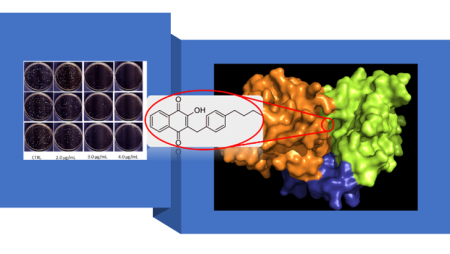
We focus on the discovery of new molecules that can act as effective NDH-2 inhibitors to overcome ARM. NDH-2, also known as type II dehydrogenase, is a peripheral membrane protein functioning as an enzyme (EC: 1.6.99.3) to catalyze the electron transfer in respiratory chain of certain pathogenic organisms e.g., Staphylococcus aureus (SA), but not expressed in mammals, hence constituting an ideal target for rational drug design. Since NDH-2 is not a known target of any existing antimicrobial drugs, our drug lead compound 6c exhibits not only unusual potency against SA, but also the remarkable ability to overcome the drug resistance in a number of antibiotic-resistant SA mutant bacteria. Currently, 6c is under preclinical animal studies for development as a topical antimicrobial drug to treat skin and soft-tissue MRSA (i.e., methicillin-resistant staphylococcus aureus) infections, particularly those by the MRSA mutant bacteria that are resistant to mupirocin and fusidic acid, the two widely used topical antibiotics for treating skin and soft-tissue MRSA infections.
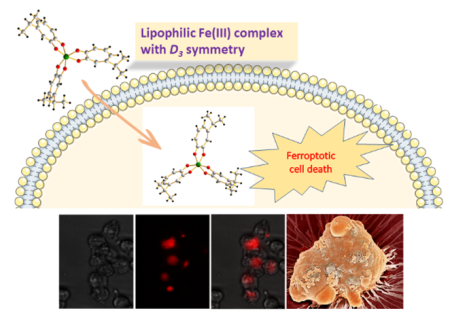
Ferroptosis is a special type of programmed cell death triggered by cellular dysregulation of iron. We capitalize on ferroptosis as a new mode of action to develop Fe-based metallodrugs for cancer chemotherapy with the aim to improve the selectivity of cytotoxicity in cancerous cells vs. normal cells to reduce toxic side effects of anticancer drugs. Iron is known as a double-edged sword in biology: it is essential for almost all forms of life for their survival, division and growth, yet iron is potentially cytotoxic as dysregulated cellular iron uptake can result in reactive oxygen species (ROS)-triggered cell death from the iron-catalyzed Fenton reaction. Through the judicial selection of lipophilic iron chelators with high affinity for Fe(III) as the ionophores, we have demonstrated that certain octahedral Fe(III) complexes with D3 symmetry have the remarkable ability to transport iron across the cell membrane to trigger intracellular Fenton reaction, which affords potent broad-spectrum in vitro anticancer activity against a plethora of cancer cell lines including the Pt-resistant ovarian cancer cell line. Since the cellular targets and the mode of action of such Fe(III) complexes are drastically different and nonoverlapping with those of cisplatin, they have the distinct ability to overcome Pt resistance in A2780cis ovarian cancer cells. Our work in this area raises the possibility of harnessing ferroptosis to develop Fe-based metallodrugs for cancer chemotherapy.
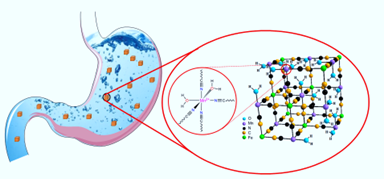
The current commercial contrast agents (CAs) used in MRI are small-molecule Gd3+-chelates that do not have sufficient stability in acidic environment of the stomach and temporal stability when they move through the GI tract, making the development of oral MRI contrast agents based on the platform of Gd3+-complexes problematic. Our group pioneered the use of biocompatible NPs of Prussian blue (PB) and its many analogues as oral contrast agents for MRI applications. Such NPs exhibit extremely high stability in the gastric juice, high r1 relaxivity, low toxicity and high temporal stability, showing great potential for the development of true T1-weighted oral contrast agents for MR imaging of the entire GI tract, an unmet clinical need in diagnostic medicine.
Selected Publications:
- N. Abeydeera, B. Yu, P. D. Bishnu, M. Kim, S. D. Huang&苍产蝉辫;鈥淗arnessing the Toxicity of Dysregulated Iron Uptake for Killing Staphylococcus aureus: Reality or Mirage?鈥�&苍产蝉辫;Biomaterials Science (IF=6.843),10, 474-484 (2022).
- Z. Wang, J. Li, B. M. Benin, B. Yu, S. D. Bunge, N. Abeydeera, S. D. Huang, M.-H. Kim 鈥淟ipophilic Ga Complex with Broad-Spectrum Antimicrobial Activity and the Ability to Overcome Gallium Resistance in both Pseudomonas aeruginosa and Staphylococcus aureus鈥� Journal Medicinal Chemistry (IF=7.446), 64: 9381-9388 (2021).
- M. S. Kandanapitiye, T. M. Dassanayake, A. C. Dassanayake, J. Shelestak, R. J. Clements, S. D. Huang 鈥淜2Mn3[FeII(CN)6]2 NPs with High T1-Relaxivity Attributable to Water Coordination on the Mn(II) Center for Gastrointestinal Tract MR Imaging鈥� Advanced. Healthcare Materials (IF=9.933), 10(20): 2100987 (2021).
- Dyne E, Prakash P, Li J, Yu B, Schmidt T, Huang S, Kim MH.&苍产蝉辫;鈥淢ild Magnetic Nanoparticle Hyperthermia Promotes the Disaggregation and Microglia-mediated Clearance of Beta-Amyloid Plaques鈥�&苍产蝉辫;Nanomedicine: Nanotechnology, Biology, and Medicine (IF=6.458), 34:102397 (2021). doi.org/10.1016/j.nano.2021.102397;
- Song R, Yu B, Friedrich D, Li J, Shen H, Krautscheid H, Huang SD, Kim MH. 鈥淣apthoquinone-derivative as a synthetic compound to overcome the antibiotic resistance of methicillin-resistant S. aureus鈥� Communications Biology (IF=6.268), 3(1):529 (2020).
- Yu B., Wang Z., Almutairi L., Huang S., Kim MH&苍产蝉辫;鈥�Harnessing iron oxide nanoparticles towards the improved bactericidal activity of macrophages against Staphylococcus鈥�&苍产蝉辫;Nanomedicine: Nanotechnology, Biology, and Medicine (IF=6.458), 24:102158 (2020). ;
- Wang Z, Yu B, Alamri H, Yarabarla S, Kim MH, Huang SD 鈥淜Ca(H2O)2[FeIII(CN)6].H2O nanoparticles as a novel antimicrobial agent for Staphylococcus aureus鈥� Angewandte Chemie Intd ((IF=15.334).) 37:2214-2218 (2018).
-
Dr. Arkaprabha Konar: "Using Light to Understand Molecules, Materials, and Biological Systems"

Dr. Arkaprabha Konar
Ph.D. Michigan State University, 2015
Assistant Professor
114 Science Research Building
akonar@kent.edu
330-672-2034
Using Light to Understand Molecules, Materials, and Biological Systems
What happens after a molecule absorbs light? In the Konar Research Group, we use ultrafast lasers and advanced optical microscopy to observe processes that occur in less than one millionth of one millionth of a second. By following how energy and electrons move through molecules and materials, we seek to understand鈥攁nd ultimately control鈥攖heir behavior.
Our research connects physical chemistry with materials science, photochemistry, and biophysics. Current projects include:
- Light-activated molecules for biomedical applications: We investigate how near infrared light can activate novel metal complexes and initiate chemical reactions relevant to drug delivery.
- Carbon dots and light-harvesting nanomaterials: We study fluorescent carbon-based nanoparticles and hybrid materials with potential applications in imaging, sensing, photocatalysis, and solar-energy conversion.
- Biomolecular condensates: We use label-free microscopy to investigate how proteins, peptides, and RNA assemble into microscopic droplets and how their internal organization changes with temperature and composition.
- Development of new spectroscopic methods: Students may help build, align, test, and improve laser-based instruments that allow us to observe molecular events that cannot be measured using conventional techniques.
Opportunities for Undergraduate Researchers
Undergraduate researchers work closely with graduate students and the faculty mentor. Depending on their interests and experience, students may:
- Prepare samples and perform UV鈥搗isible absorption and fluorescence measurements.
- Learn safe operation of lasers and basic optical alignment.
- Collect and analyze ultrafast spectroscopy or microscopy data.
- Use computer programs to visualize data and extract molecular time scales.
- Read scientific literature, maintain a research notebook, and present their findings.
- Contribute to conference presentations and scientific publications.
Previous experience with lasers or advanced spectroscopy is not required. We welcome curious, motivated students who enjoy solving problems and want to learn how chemistry, physics, biology, and materials science come together in modern research. Students from chemistry, biochemistry, physics, materials science, and related majors are encouraged to inquire. Because meaningful research training takes time, students who can participate for multiple semesters are particularly encouraged.
Undergraduate research in our group provides hands-on experience with sophisticated instrumentation, quantitative data analysis, scientific communication, and collaborative problem solving. These skills are valuable preparation for careers or graduate study in chemistry, medicine, materials science, biotechnology, optics, and related fields.
Interested students should contact Dr. Arkaprabha Konar at akonar@kent.edu and briefly describe their academic background, research interests, and anticipated availability.
-
Dr. Hanbin Mao: "Mechano-analytical Chemistry: A New Interdisciplinary Field"

Dr. Hanbin Mao
Ph.D. Texas A&M University, 2003
Professor
038 Science Research Building
hmao@kent.edu
330-672-9380
Mechano-analytical Chemistry: A New Interdisciplinary Field
By combining Analytical Chemistry and Single-molecule Biophysics, we created a new chemistry field: Mechano-Analytical Chemistry. We have used the following techniques to develop this new field:
Lab-on-a-chip
Micro total analysis system (mTAS), a.k.a. lab-on-a-chip, integrates a variety of lab components on a chip as small as one inch square in area. In a typical lab-on-a-chip scheme, chemicals can be synthesized, purified and analyzed on a single chip. The technique is indispensable in the emerging fields such as genomics and proteomics, where huge sets of data are collected and analyzed. It is also very useful in the screening processes to identify promising drug leads or optimal conditions for crystallization. The low cost and high-throughput capability make this technique ideal for sensor development. Combining with laser tweezers or magnetic tweezers (see below), our lab is interested in the methodology development and bioanalytical application of this technique, for example in the fields of ultra sensitive sensors and screening methods.
Laser Tweezers
Since the discovery of the laser tweezers in the 1980s, the application of this technique has been mostly limited to the physics where it was originated. The lag of the application in chemistry can be attributed to the following reasons. First, tiny amount of the material contained inside a trapped object prevents the use of many traditional detection methods, such as UV-vis and IR. Second, to build a strong optical trap, objectives with short working distance are often used. This leaves little room to incorporate other detection methods. Our lab uses unique capabilities of the laser tweezers, i.e., force detection in the range of piconewtons and spatial measurement down to Angstroms, to follow the chemical interactions such as binding events between receptors and ligands.
Magnetic Tweezers
Compared to laser tweezers (see above), magnetic tweezers have advantages of lower force range (fN鈥損N), less drift, and full compatibility with a typical lab-on-a-chip layout. Most importantly, magnetic tweezers have high-throughput. Magnetic objects can be easily incorporated into microfluidic channels on a chip and manipulated by an external magnet. These objects can be used to control the fluidics at the micrometer scale, which is one of the most difficult tasks in the development of lab-on-a-chip techniques.
Using laser- and magnetic-tweezers on a chip, we have been investigating fundamental properties of biomacromolecules including DNA and proteins. In addition, we have pioneered ultrasensitive and high-throughput biosensing method called Single-Molecule Mechanochemical Sensing (or SMMS). With many patents awarded, we have used SMMS to detect trace level of biomarkers for various diseases, as well as toxins such as mercury in the environment.
Our research is interdisciplinary. We carry out many collaborative projects with groups from materials and biosciences. Incoming members have ample opportunities to learn subjects through coworkers from other fields.
Selected Publications
- "A Single-Molecule Platform for Investigation of Interactions between G-quadruplexes and Small-Molecule Ligands". Deepak Koirala, Soma Dhakal, Beth Ashbridge, Yuta Sannohe, Raphine Rodriguez, Hiroshi Sugiyama, Shankar Balasubramanian, Hanbin Mao, Nature Chemistry, 2011, 3, 782-787.
- "Interaction of G-quadruplexes in the Full-length 3' Human Telomeric Overhang", Jibin Abraham Punnoose, Yunxi Cui, Deepak Koirala, Philip M. Yangyuoru, Chiran Ghimire, Prakash Shrestha, and Hanbin Mao. Journal of the American Chemical Society, 2014,136 (52), 18062-18069.
-
Dr. Marianne Pr茅v么t: "Designing the Next Generation of Smart Optical Materials"
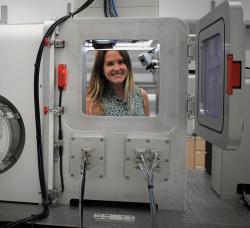
Dr. Marianne Pr茅v么t
Ph.D. University of Rennes, France, 2015
Assistant Professor
093 Integrated Sciences Building
The Chizu & Kota Yokoyama Endowed Assistant Professorship
Advanced Materials and Liquid Crystal Institute
303 Liquid Crystals & Materials Science Building
mprevot1@kent.edu
330-672-3166
Our group designs smart liquid crystal materials that can generate, control, and manipulate light. We combine organic chemistry, liquid crystal self-assembly, advanced manufacturing, and optical engineering to create materials with properties that emerge from their organization across multiple length scales. A major focus of our research is circularly polarized light, a unique form of light that can carry information through its handedness. By learning how to control this property from the molecular scale to a functional device, we aim to develop new materials for imaging, sensing, information technologies, and next-generation photonic systems.
From Molecules to Functional Materials
The properties of a material begin with the molecules from which it is made. We design and synthesize organic molecules and luminescent compounds and investigate how small changes in their chemical structure can produce dramatic changes in their organization and optical properties. We are particularly interested in bent-core liquid crystals, which can spontaneously organize into complex twisted structures capable of controlling the polarization of light. By combining these liquid crystals with different light-emitting molecules, we create materials that generate circularly polarized luminescence (CPL). Our goal is to understand and ultimately control how chirality, or 鈥渉andedness鈥�, is transferred from the molecular and nanoscale organization of the material to the light that it emits. This fundamental understanding will allow us to design brighter, more efficient, and tunable materials producing different colors of circularly polarized light, from the visible to the near-infrared.
Printing Light: From Materials to Functional Structures
A powerful material becomes even more useful when we can control where it goes and how it is organized. Our group explores printing and rapid-prototyping approaches to transform liquid crystals into patterned, flexible, and three-dimensional optical materials. Printing provides much more than a way to manufacture a material. By controlling its shape, orientation, composition, and organization at different length scales, we can also control how the resulting structure interacts with light. We envision printing optical elements in which different regions can produce different colors, polarization states, or optical responses. Ultimately, this approach could make it possible to rapidly manufacture customized optical components that are lightweight, inexpensive, flexible, and adaptable to different applications.
From Smart Materials to Optical Devices
Our long-term goal is to transform these materials from interesting laboratory systems into functional optical technologies. We utilize a liquid crystal strategy to develop efficient sources of circularly polarized light whose color, handedness, and optical properties can be engineered directly within the material. This offers an alternative to conventional optical systems, which often require several separate components to manipulate the polarization of light. We are particularly interested in using these materials to create new tools for imaging and information technologies. Circularly polarized light could provide an additional way to visualize structural organization that is difficult to observe with conventional microscopy. We are therefore developing compact optical modules that can bring circularly polarized illumination to existing microscopes and exploring its combination with advanced imaging techniques such as structured illumination microscopy. Beyond imaging, the two opposite handednesses of circularly polarized light can act as distinct channels for storing, transmitting, or protecting information, opening opportunities for optical encryption and high-density information technologies.
We envision liquid crystal materials that do more than passively interact with light. We want to create dynamic optical materials that can be programmed, patterned, switched, and integrated into real devices, bridging the gap between molecular discovery and real-world technologies.
We are always on the lookout for interested and motivated graduate and undergraduate students to join our team.

From molecular design to real-world optical technologies. In our lab, we explore how molecules can organize into complex structures and how this organization can be harnessed to create new ways of controlling light. Our research spans the entire materials-development process: from organic synthesis and liquid crystal self-assembly to advanced characterization, printing, prototyping, and device integration. Through interdisciplinary collaborations and access to state-of-the-art facilities, students can work across traditional scientific boundaries and connect fundamental discoveries to applications. Our long-term goal is to transform responsive liquid crystal materials into next-generation optical technologies, including circularly polarized light sources, smart materials, and advanced imaging platforms.
Selected publications:
- J. Rebours, S. Akhter, Md. K. Hasan, S. Paofai, M. Amela-Cortes M.E. Pr茅v么t*, Y. Molard*, 鈥淐ircularly polarized red-NIR emission with high dissymmetry factor from achiral [Mo6I8(OCOC2F6)]2- cluster anion embedded in a bent-core liquid crystal host鈥�, Advanced Optical Materials, 2026, 14, e71409, DOI:10.1002/adom.71409.
- R. Williams, G.A.R. Rohaley, A. Gowda, G. Pegorin, A. Oprandi, D. Motovilov, A. Schneider, E. Hegmann, M.E. Pr茅v么t*, T. Hegmann*, 鈥淶ero-power, optical toxic gas and vapor sensors utilizing printed nematic liquid crystal patterns on selectively reactive substrates鈥�, Advanced Sensor Research, 2025, 4, 2400166, DOI:10.1002/adsr.202400166.
- R. A. Williams, G. A. R. Rohakley, M.E. Pr茅v么t, T. Hegmann, US Prov. Patent 63/712,623 (10/2024), 鈥淶ero-power, optical toxic gas and vapor sensors utilizing printed nematic liquid crystal patterns on selectively reactive substrates鈥�.
- A. Gowda, G. Acharjee, S.K. Pathak, G.A.R. Rohaley, A. Shah, R.P. Lemieux, M.E. Pr茅v么t*, T. Hegmann*, 鈥淣ano- and microfilaments formed by bent-core liquid crystal molecules displaying morphological changes within filaments鈥�, Materials Horizons, 2024, 11, 5550-5563, DOI:10.1039/d3mh01390a.
- A. Gowda, S.K. Pathak, G.A.R. Rohaley, G. Acharjee, A. Oprandi, R. Williams, M.E. Pr茅v么t, T. Hegmann, 鈥淥rganic chiral nano- and microfilaments: types, concepts of formation, and use as templates for applications鈥�, Materials Horizons, 2024, 11, 316-340, DOI: 10.1039/d3mh01390a.
- B. Sezgin, J. Liu, D.P.N. Gon莽alves, C. Zhu, T. Tilki, M.E. Pr茅v么t*, T. Hegmann*, 鈥淐ontrolling the structure and morphology of organic nanofilaments using external stimuli鈥�, ACS Nanoscience Au, 2023, 3, 295-309, DOI:10.1021/acsnanoscienceau.3c00005.
- M.E. Pr茅v么t, S. Ustunel, G. Freychet, C.R. Webb, M. Zhernenkov, R. Pindak, R.J. Clements, E. Hegmann, 鈥淧hysical models from physical templates using biocompatible liquid crystal elastomers as morphologically programmable inks for 3D printing鈥�, Macromolecular Bioscience, 2023, 23, 2200343, DOI:10.1002/mabi.202200343.
- J. Liu, Y. Molard, M.E. Pr茅v么t*, T. Hegmann*, 鈥淗ighly tunable circularly polarized emission of an aggregation-induced emission dye using helical nano- and microfilaments as supramolecular chiral templates鈥�, ACS Applied Materials & Interfaces, 2022, 14, 25, 29398, DOI: 10.1021/acsami.2c05012.
- M.E. Pr茅v么t, S. Ustunel, B. Yavitt, G. Freychet, C.R. Webb, M. Zhernenkov, E. Hegmann, and R. Pindak, 鈥淪ynchrotron microbeam diffraction studies on the alignment within 3D-printed smectic-A liquid crystal elastomer filaments during extrusion鈥�, Crystals, 2021, 11, 5, 523, DOI:10.3390/cryst11050523.
- M.E. Pr茅v么t, A. Nemati, T.R. Cull, E. Hegmann, and T. Hegmann, 鈥淎 zero-power optical, ppt- to ppm-level toxic gas and vapor sensor with image, text, and analytical capabilities鈥�, Advanced Materials Technologies, 2020, 2000058, DOI: 10.1002/admt.202000058.
-
Dr. Alexander Seed: "Synthesis of Photoactivatable HNO Donor Molecules"
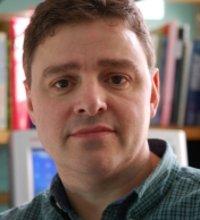
Dr. Alexander Seed
Ph.D. University of Hull, UK, 1995
Associate Professor & Assistant Chair
134 Science Research Building
aseed@kent.edu
330-672-9528
Synthesis of Photoactivatable HNO Donor Molecules
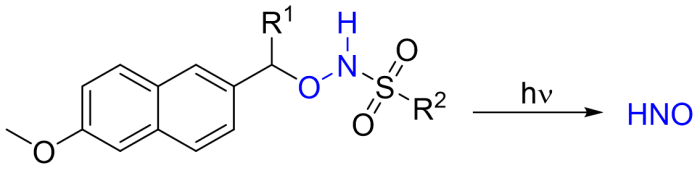
We are synthesizing new organic HNO (nitroxyl) donor molecules which have shown promise for the rapid (sub-second) generation of HNO, a biologically relevant redox sibling of the well-known cell signaling molecule nitric oxide. There is much current interest in nitroxyl, which shows clinically promising activity relating to cardiovascular health. Since HNO rapidly dimerizes in aqueous solution, its study requires the use of HNO donor molecules. Most known HNO donors decompose to release nitroxyl slowly (~minutes-to-hours), often under non-physiological conditions. Consequently, there is an urgent need for HNO donors which more rapidly and cleanly generate HNO with spatial and temporal control. We are synthesizing HNO donors (e.g., 1 and related compounds) which will rapidly generate HNO 鈥渙n demand鈥� via photolytic cleavage of an O-protecting group followed by fast HNO elimination. In collaboration with colleagues in New Zealand, we are studying the kinetics of their photodecomposition and the kinetics and mechanisms of the reactions between HNO and various biomolecules.
Synthesis of Ferroelectric Liquid Crystals Based on Novel S-Heterocyclic and Fluorinated S-Heterocyclic Cores (collaboration with Paul Sampson)
Our group is exploring the development of new synthetic methodology and approaches to the construction of a variety of novel thiophene, thieno[2,3-b and 3,2-b]thiophene, 1,3-thiazole and 1,3,4-thiadiazole ring systems decorated with alkoxy- and/or fluoro- substituents. These building blocks are utilized in the synthesis of new ferroelectric and high birefringence liquid crystalline materials (e.g., compounds 2-6). One of the long-term goals of our program is to develop a detailed understanding of the structure-mesophase properties of a family of ferroelectric liquid crystals that, in many cases, exhibit the chiral smectic C phase without the appearance of unwanted chevron defects. Physical studies will allow us to elucidate whether these are DeVries materials or if there is another effect that explains the unusual lack of chevron defects seen upon cooling into the SmC phase.
![Our group is exploring the development of new synthetic methodology and approaches to the construction of a variety of novel thiophene, thieno[2,3-b and 3,2-b]thiophene, 1,3-thiazole and 1,3,4-thiadiazole ring systems decorated with alkoxy- and/or fluoro-substituents.](https://www-s3-live.kent.edu/s3fs-root/s3fs-public/styles/fixed_width_700/public/seed-research-002.png?VersionId=G6.VhGkRZ6KooWlBMAOyFjViZdTytekc&itok=gY7FK5Rf)
Relevant Publications
- R.B. Cink, Y. Zhou, L. Du, M.S. Rahman, D.L. Phillips, M. Cather Simpson, A.J. Seed, P. Sampson and N.E. Brasch, Mechanistic Insights into Rapid Generation of Nitroxyl from a Photocaged N鈥慔ydroxysulfonamide Incorporating the (6-Hydroxynaphthalen-2-yl)methyl Chromophore, J. Org. Chem., 2021, 86, pp. 8056-8068.
- Y. Zhou, R.B. Cink, A.J. Seed, M.C. Simpson, N.E. Brasch, and P. Sampson, Stoichiometric Nitroxyl (HNO) Photorelease using the (6-Hydroxy-2-naphthalenyl)methyl Phototrigger, Org. Lett., 2019, 21(4), pp. 1054-1057.
- A.J. Seed and Paul Sampson, A review of self-organizing 2,5- and 2,4-disubstituted 1,3-thiazole-containing materials: Synthesis, mechanisms, and tactics, Liq. Cryst., 2017, 44(12-13), pp. 1894-1910.
- Zhou, Y.; Cink, R.B.; Dassanayake, R.S.; Seed, A.J.; Brasch, N.E.; Sampson, P. Rapid Photoactivated Generation of Nitroxyl (HNO) under Neutral pH Conditions. Angew. Chem. Int. Ed., 2016, 55(42), pp. 13229-13232.
- J.I. Tietz, A.J. Seed, and P. Sampson, Preparation of brominated 2-alkoxythiophenes via oxidation and etherification of 2-thienyltrifluoroborate salts. Org. Lett., 2012, 14(19), pp. 5058-5061.
- A.J. Seed, J.I. Tietz, R.M. Gipson, Y. Yu, and P. Sampson, Low Molar Mass Thieno[3,2-b] and Thieno[2,3-b]thiophenes in Liquid Crystal Materials Science: Recent Synthetic Approaches, Liq. Cryst., 2015, 42(5-6), pp. 918-927.
- A. Seed, Synthesis of self-organizing mesogenic materials containing a sulfur-based five-membered heterocyclic core, Chem. Soc. Rev., 2007, 36(12), pp. 2046-2069.
- A.A. Kiryanov, P. Sampson and A.J. Seed, Synthesis of 2-alkoxy-substituted thiophenes, 1,3-thiazoles and related S-heterocycles via Lawesson鈥檚 reagent-mediated cyclization under microwave irradiation: applications for liquid crystal synthesis, J. Org. Chem., 2001, 66(23), pp. 7925-7929.
- C. Zhang, A.M. Grubb, A.J. Seed, P. Sampson, A J谩kli, and O.D. Lavrentovich, Nanostructure of edge dislocations in a smectic-C liquid crystal, Phys. Rev. Lett., 2015, 115 (8), article no. 08780.
- J.I. Tietz, P. Sampson, and A.J. Seed, Novel 5-(4-alkoxyphenyl)thieno[3,2-b]thiophene-2- carboxylate esters: Highly efficient synthesis and mesogenic evaluation of a new class of materials exhibiting the SmC phase, Liq. Cryst., 2012, 39(5), pp. 515-530.
- A.M. Grubb, C. Zhang, A. J谩kli, P. Sampson, and A.J. Seed, 2-Alkoxythiazoles: A new core unit for incorporation into self-organizing materials. Synthetic approach, mesomorphism, and electrooptic evaluation. Liq. Cryst., 2012, 39(10), pp. 1175-1195.
- A.M. Grubb, S. Hasan, A.A. Kiryanov, P. Sampson, and A.J. Seed, The synthesis and physical evaluation of 5-alkoxy-1,3-thiazoles prepared via Lawesson鈥檚 reagent-mediated cyclisation of 飦�-benzamido esters, Liq. Cryst., 2009, 36(5), pp. 443-453.
- R.M. Gipson, P. Sampson, and A.J. Seed, The synthesis and mesogenic behavior of the first series of low molar mass thieno[3,2-b]thienothiophene-2-carboxylate ester-based mesogens, Liq. Cryst., 2010, 37(1), pp. 101-108.
- A.M. Grubb, M.J. Schmidt, A.J. Seed, and Paul Sampson, Convenient preparation of halo-1,3-thiazoles: Important building blocks for materials and pharmaceutical synthesis, Synthesis, 2012, 44(7), pp. 1026-1029.
- Brian Sybo, Patrick Bradley, Alan Grubb, Seth Miller, Katie Proctor, Lucy Clowes, M. Ruth Lawrie, Paul Sampson and Alexander J. Seed, 1,3,4-Thiadiazole-2-carboxylate esters: New synthetic methodology for the preparation of an elusive family of self-organizing materials, J. Mater. Chem., 2007, 17(32), pp. 3406-3411
- B. K. McCoy, Z. Q. Liu, S. T. Wang, R. Pindak, K. Takekoshi, K. Ema, A. Seed, and C. C. Huang, Smectic-C*飦� phase with two coexistent helical pitch values and a first-order Smectic-C*飦� to Smectic-C* transition, Phys Rev. E., 2007, 75(5-1), article no. 051706.
- A.A. Kiryanov, A.J. Seed and P. Sampson, Ring fluorinated thiophenes: applications to liquid crystal synthesis, Tetrahedron Lett., 2001, 42(50), pp. 8797-8800.
- V.M. Sonpatki, M.R. Herbert, L.M. Sandvoss and A.J. Seed, Troublesome alkoxythiophenes. A highly efficient synthesis via cyclization of 飦�-keto esters, J. Org. Chem., 2001, 66(22), pp. 7283-7286.
-
Dr. Hao Shen: "Single-Molecule Catalysis, Chirality, and Bioimaging"
Dr. Hao Shen
Ph.D. Cornell University, 2014
Associate Professor
303 Williams Hall
hshen7@kent.edu
330-672-2523
The Shen group uses state-of-the-art single-molecule spectroscopy and custom-built super-resolution microscopy to study catalytic and biological systems one molecule at a time. Unlike conventional ensemble measurements, single-molecule approaches reveal the hidden subpopulations and rare events that govern real-world performance, with sub-diffraction-limited spatial precision and millisecond-scale time resolution. With this core approach, the Shen group aims to study the following.
Developing advanced microscopy and manipulation tools
Building on Nobel Prize-winning super-resolution imaging techniques, the Shen group designs new optical tools that not only observe but also manipulate samples in real time. In collaboration with the Mao group, we invented the world's first Magnetic-Tweezer Highly Inclined and Laminated Optical sheet (MT-HILO) microscope, which applies controlled mechanical force to a sample while simultaneously capturing its 3D structural response with single-molecule super-resolution imaging, allowing us to directly correlate a material's conformation with its function.
Electron spin catalysis and chiral nanomaterials
Charge transfer efficiency is central to catalytic performance, and chiral molecules are now known to filter electron spin through the Chirality-Induced Spin Selectivity (CISS) effect. The Shen group created 鈥渃oronazyme,鈥� a synthetic enzyme made by coating a metal nanoparticle core with a chiral DNA corona and uses it to demonstrate the concept of an 鈥渆lectron spin catalyst鈥� whose reactivity can be tuned by spin polarization. This work reveals electron spin as a previously overlooked handle for designing more selective, robust catalysts.
Single-molecule kinetics of heterogeneous and plasmonic catalysis
Nanoparticle catalysts are structurally heterogeneous, no two particles perform identically, a fact conventional bulk measurements cannot resolve. The Shen group tracks individual catalytic turnover events on single nanoparticles, including TiO鈧� photocatalysts and DNA-coated plasmonic gold nanorods, to map active-site distributions and interfacial charge-transfer mechanisms with nanometer precision. To expand which reactions can be studied this way, the group also invented FLINT (Fluorogenic Linkage Integration for Non-fluorescent Transformations), a method that makes normally 鈥渋nvisible,鈥� non-fluorescent reactions detectable one molecule at a time.
Single-molecule biophysics and nanozyme therapeutics
Extending these single-molecule tools toward biomedical problems, the group develops assays to observe protein misfolding and amyloid aggregation associated with neurodegenerative disease, and designs catalytically active nanoparticles (nanozymes) that generate reactive oxygen species to combat antibiotic-resistant bacterial infections, translating single-molecule mechanistic insight into new strategies for disease-relevant chemistry.
Selected Publications
- J. Ji, L. Zuo, B. Pokhrel, P. Pokhrel, S. Shakya, H. Shen*, H. Mao*. 鈥淒ecoupling Activity and Specificity in Coronazymes.鈥� Small, 2025, 21, 2500783.
- B. Pokhrel, F. Farhana, L. Zuo, R.L. Stratton, P. Pokhrel, M.A. Hossain, J. Ji, H. Mao*, H. Shen*. 鈥淔luorogenic Linkage Integration for Nonfluorescent Transformations (FLINT).鈥� Chemical & Biomedical Imaging, 2025, 3, 253鈥�259.
- L. Zuo, K. Ren, X. Guo, P. Pokhrel, B. Pokhrel, M.A. Hossain, Z.X. Chen, H. Mao*, H. Shen*. 鈥淎malgamation of DNAzymes and Nanozymes in a Coronazyme.鈥� Journal of the American Chemical Society, 2023, 145, 5750鈥�5758. (Featured as the cover story).
- B. Pokhrel, L. Zuo, T. Vo, P. Pokhrel, R.L. Stratton, S. Shakya, A. Adeyemi, H. Mao*, W.-S. Chang*, H. Shen*. 鈥淚nterfacial Charge Transfer Controls Plasmon-Enhanced Catalysis in DNA-Coated Gold Nanorods.鈥� Submitted to ACS Nano, 2026.
- F. Farhana, G. Chen, R.L. Stratton, B. Pokhrel, A. Adeyemi, S.D. Huang*, H. Shen*. 鈥淕lucose-Fueled Gold Nanozymes Achieve Picomolar Eradication of Drug-Resistant Staphylococcus aureus.鈥� Manuscript submitted, 2026.
-
Dr. Michael Tubergen: "High Resolution Spectroscopy for Investigations of Molecular Structure"

Dr. Michael Tubergen
Ph.D. University of Chicago
Professor
035 Science Research Building
mtuberge@kent.edu
330-672-7079
Our research is focused on understanding the role of weakly bonding interactions in determining the conformational structures of large molecules and molecular complexes. Hydrogen bonding, dipole-dipole, and dispersion forces have long been known to determine the structures of molecular complexes formed in the ultracold environment of supersonic expansions; these same forces also preferentially stabilize some molecular conformations over others.
One area of application is the study of small biological molecules such as amino acids and peptide derivatives. The conformational structures of individual amino acids in a protein collectively determine the three-dimensional structure of the protein and, ultimately, its biological function. We have investigated the spectroscopy and conformational structures of amino amides (amide derivatives of amino acids: alaninamide, prolinamide, leucinamide, and valinamide) and amino acid methyl esters (valine methyl ester and proline methyl ester), and we have collaborated with colleagues at the National Institute of Standards and Technology to record the first rotationally resolved spectra of a linear dipeptide analogue, N-acetyl alanine methyl amide.

Conformational structures of proline methyl ester
Interactions between molecules can be studied using the same technique. We have shown, for example, that formation of the 1:1 complex 2-aminoethanol-water changes the conformational structure of 2-aminoethanol. The 2-aminoethanol O鈥揅鈥揅鈥揘 dihedral angle increases from 58掳 to 71掳 upon formation of an intermolecular hydrogen bond. The conformational structure of glycidol (oxiranylmethanol) also adjusts to accommodate formation of a new hydrogen bonding network upon formation of the 1:1 complex with water.

Effect of solvent on molecular conformation: Microwave spectra and structures of 2-Aminoethanol van der Waals complexes
Our investigations provide an important link between molecular modeling, which predicts conformational structures of isolated molecules, and biochemistry, which is concerned with structures in solvent environments. Learn more about our research group by visiting .
-
Dr. Zhiqiang Molly Wang

Dr. Zhiqiang Molly Wang
Ph.D. Fudan University, 1999
Professor
138 Science Research Building
zwang3@kent.edu
330-672-3352
Our research interests in a broad sense are to understand the biological functions of certain proteins from their structural point of view. Particularly, we focus on structure-function relationships of metalloenzymes, as well as protein-protein interaction and protein-ligand interactions that are related to signal transductions in cells. Our long-term goal is to translate these basic research studies into the discovery of new drugs and therapeutic methods to treat human diseases.
Our research interests are in the following areas:
- Regulation of Nitric Oxide Synthesis in Bacterial Nitric Oxide Synthase (NOS)
- Cellular Metabolic Pathway in Pulmonary Arterial Hypertension (PAH)
- Develop Copper Chelating Nanoparticles for PAH and Cancer
- Receptor and Protein Interactions in NO Signaling
- Structure-function Studies of Heme O2 and NO Sensors
- Mechanism of NOS-related Endothelial Dysfunction
Selected Publications:
- Ding, Y., Sun, D., Wang, G., Yu H., Meng, S., Chen, J., Xie, Y., Wang, Z.Q. 鈥淚n vivo study of doxorubicin-loaded cell penetrating peptide-modified pH-sensitive liposomes: biocompatibility, bio-distribution, and pharmacodynamics in BALB/C-nude mice bearing human breast tumors ", Drug Design, Development and Therapy, 11, 1鈥�13, 2017.
- Wang, Z.Q., Haque, M.M., Binder, K., Sharma, M., Wei, C.-C., and Stuehr, D. J. 鈥淓ngineering nitric oxide synthase chimeras to function as NO dioxygenases.鈥� J Inorg. Biochem., 158, 122-30, 2016.
- Ding, Y., Sun, D., Wang, G., Yang, H., Xu, H., Chen, J., Xie, Y., Wang, Z.Q. 鈥淎n efficient PEGylated liposomal nanocarrier containing cell penetrating peptide and pH-sensitive hydrazone bond for enhancing tumor-targeted drug delivery", International Journal of Nanomedicine, 10, 6199-6124, 2015.
- Jensen, D., Reynold, N., Yang, Y.P., Shakya S, Wang, Z.Q., Stuehr, D. J., and Wei, C.-C., 鈥淭he Exchanged EF-hands in Calmodulin and Troponin C Chimeras Alter the Induced Hydrophobicity and Impair the Interaction with: A Spectroscopic, Thermodynamic and Kinetic Study.鈥�&苍产蝉辫; BMC Biochemistry, 16:6, 2015.
- Perera V, Liu, H, Wang, Z.-Q. and Huang, S. 鈥淐ell-permeable Au@ZnMoS4 NPs Core-Shell Nanoparticles: Toward a Novel Cellular Copper Detoxifying Drug for Wilson鈥檚 Disease鈥�. Chemistry of Materials, 25, 4703-09, 2013.
- Wang, Z.-Q., and Stuehr D. J. 鈥淐alcium Signaling: NO Synthase鈥�, In: Lennarz, W.J. and Lane, M.D. (eds.) The Encyclopedia of Biological Chemistry, Vol. 3, pp. 342-346. Waltham, MA: Academic Press, 2013.
- Wang, Z.-Q., Tejero J., Wei, C.-C., Haque, M.M., Santolini J., Fadlalla M., Biswas A., and Stuehr, D. J. 鈥溾��&苍产蝉辫; J. Inorg. Biochem. 108, 203-15, 2012.
- Tejero, J., Biswas, A., Haque, M.M., Wang, Z.-Q., Hemann, C., Varnado, C.L., Novince, Z., Hille, R., Goodwin. D.C., Stuehr, D.J. 鈥� Biochem. J. 433, 163-74, 2011.
- Wang, Z.-Q., Wei, C.-C., and Stuehr, D. J. 鈥淗ow Does a Valine Residue That Modulates Heme-NO Binding Kinetics in Inducible NO Synthase Regulate Enzyme Catalysis鈥� J Inorg. Biochem. 104, 349-56, 2010.
- Wang, Z.-Q., Lawson R. J., Madhavan, B. R., Wei, C.-C., Crane, B. R., Munro, A.W., and Stuehr, D. J. 鈥淏acterial Flavodoxin Support Nitric Oxide Production by Bacillus Subtilis Nitric-Oxide Synthase.鈥� J. Biol. Chem., 282, 2196-202, 2007.
- Wang, Z.-Q., Wei, C.-C., Santolini, J., Koustubh, P., Wang, Q. and Stuehr, D. J. 鈥淎 Tryptophan That Modulates Tetrahydrobiopterin-Dependent Electron Transfer in Nitric Oxide Synthase Regulates Enzyme Catalysis by Additional Mechanisms.鈥� Biochemistry, 44, 4676-90, 2005.
- Wang, Z.-Q., Wei, C.-C., 鈥淎 Conserved Val to Ile Switch Near the Heme Pocket of Animal and Bacterial Nitric-Oxide Synthases Helps Determine Their Distinct Catalytic Profiles. J. Biol. Chem., 279, 19018-25, 2004.
- Wang, Z.-Q., Wang Y.-H., Wang W.-H., Xue, L.-L., Wu, X.-Z., Xie, Y., and Huang Z.-X., "The Effect of Mutation at Valine-45 on the Stability and Redox Potentials of Trypsin-cleaved Cytochrome b5", Biophysical Chemistry, 83(1), 3-17, 2000.
- Wang, Z.-Q., Wang Y.-H., Wang W.-H., Xie, Y., and Huang Z.-X., "Effect of Mutation at Val45 and Pro40 of Cytochrome b5 on Protein's Stability", J. Inorganic Chemistry, 74, 169, 1999.
- Wang, Z.-Q., Zhang S.-G. Liu, Q.-M., and Ni, J.-Z., "Studies on The Action of Rare Earth with Bovine Serum Albumin in Multimolecular System", Journal of Rare Earth (Special Issue), 573, 1995.
-
Dr. Yaorong Zheng: "Design and development of innovative metal-based chemical systems and their subsequent application in biological systems with a long-term goal of improving cancer therapy"

Dr. Yaorong Zheng
Ph.D. University of Utah, 2011
Associate Professor
236 Integrated Sciences Building
yzheng7@kent.edu
330-672-2267
My research is primarily focused on the design and development of innovative metal-based chemical systems and their subsequent application in biological systems with a long-term goal of improving cancer therapy. Currently, cancer is the second leading cause of death in the United States, only behind cardiovascular disease, and it is projected to become the leading cause of death within 16 years according to American Society of Clinical Oncology. In 2013, approximately 0.6 million U.S. citizens died from cancer, and over 1.6 million U.S. citizens became new cancer patients. The number of new cases is expected to increase nearly 45% by 2030. So far, most types of cancer are still incurable, and development of effective cancer treatments remains at a slow pace. Since 1975, the survival rate for cancer patients has only increased by 3.4%. Several major issues account for the slow development of cancer therapy, including the limited efficacy of current therapeutics and the shortage of efficient drug delivery systems. Research in my lab will focus on developing chemical tools that can benefit cancer research with respect to these limitations. The tools we are working on are based on metal complexes.
Metal complexes play an important role in cancer therapy. Cisplatin, a platinum complex, was demonstrated to be effective in treating cancer in 1969. By virtue of cisplatin, testicular cancer became one of the few types of cancer that are curable, with the survival rate of patients with testicular cancer being greater than 90%. Cisplatin and its analogous, carboplatin and oxaliplatin, are currently FDA-approved anticancer drugs that are widely used in chemotherapy for cancer patients with testicular, ovarian, head and neck, lung, and colon cancer. 性福五月天 50% of cancer patients with chemotherapy are treated with these platinum drugs. The development of new metal-based drugs is, however, very slow, with most of the research focusing on compounds that are similar to the FDA approved platinum species. Such a drug design strategy favors development of drugs with common intrinsic cytotoxicity and mechanisms to drugs currently in the clinics. Deviating from the traditional approach, we seek to develop novel tools for cancer research based on innovative rationally designed metal-based chemical systems with an emphasis on new applications that target important questions. Our work will focus on applying innovative metal-based chemical systems in combination with nanotechnology and cancer biology to provide new tools to address important issues in cancer research with a long-term goal of improving cancer therapy.
Selected Publications
- Zheng, Y.-R.; Suntharalingam, K.; Johnstone, T. C.; Lippard, S. J. Encapsulation of Pt(IV) Prodrugs within a Pt(II) Cage for Drug Delivery. Chem. Sci. 2015, 6, 1189-1193.
- Zheng, Y.-R.; Suntharalingam, K.; Johnstone, T. C.; Yoo, H.; Lin, W.; Brooks, J. G.; Lippard, S. J. Pt (IV) Prodrugs Designed to Bind Non-Covalently to Human Serum Albumin for Drug Delivery. J. Am. Chem. Soc. 2014, 136, 8790-8798.
- Zheng, Y.-R.; Lan, W.-J.; Wang, M.; Cook, T. R. Stang, P. J. Designed Post-Self-Assembly Structural and Functional Modifications of a Truncated Tetrahedron. J. Am. Chem. Soc. 2011, 133, 17045鈥�17055.
- Zheng, Y.-R.; Zhao, Z; Wang, M.; Ghosh, K.; Pollock, J. B.; Cook, T. R.; Stang, P. J. A Facile Approach toward Multicomponent Supramolecular Structures: Selective Self-Assembly via Charge Separation. J. Am. Chem. Soc. 2010, 132, 16873鈥�16882.
Which Course Should I Register For?
How Much Time Will I Spend on Research?
The scheduling of time to work on your research project is determined in consultation with your research advisor, and expectations vary between groups. Usually, you will establish core times when you will work in the lab each week, but you may need to come in at other times depending on what you are doing in the lab that week.
The Department expects that you will spend an average of at least 4 hours/week (i.e., 60 hours per semester) in the lab per credit hour.