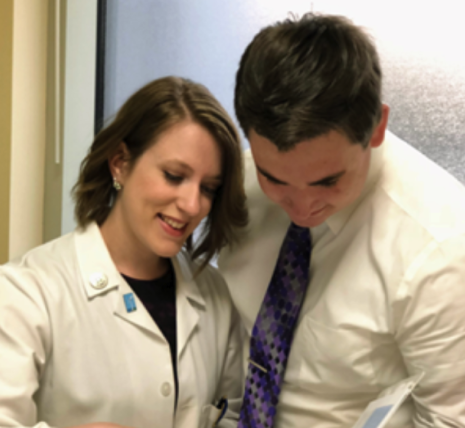
Join the next generation of the public health workforce with ÐÔ¸£ÎåÔÂÌì University's Public Health program. Earn a B.S.P.H., minor or certificate and gain the skills and knowledge to improve population health and make a difference in people's lives. Enroll now in-person or and make an impact in the world of public health.
Public Health - B.S.P.H.
Contact Us
- Gretchen Thomas | gthoma33@kent.edu | 330-672-6528
- Speak with an Advisor
- Chat with an Admissions Counselor
Bachelor’s Degree in Public Health
ÐÔ¸£ÎåÔÂÌì University’s Bachelor’s Degree in Public Health provides students with a strong foundation in understanding public health systems and addressing health issues at the population level. The program focuses on key areas such as disease prevention, health promotion, epidemiology, and environmental health. Through a blend of theory and hands-on experience, students are equipped to analyze and implement strategies that improve health outcomes in communities, both locally and globally.
Looking for our Master's Degree in Public Health? Looking for our P.H.D. Degree in Public Health?

Program Information for Public Health - B.S.P.H.
-
Program Description
Full Description
The Bachelor of Science in Public Health degree in Public Health prepares students to enter the workforce as public health professionals or pursue advanced study. Students explore the five core disciplines of public health – biostatistics, environmental health, epidemiology, health policy and management and the social and behavioral sciences – and are well equipped to meet the increasing demand for a highly trained public health workforce.
The Public Health major includes the following optional concentrations:
- The Allied Health concentration seeks to augment the career portfolio of the allied health professional or aspiring student. Students who are interested in a professional degree (e.g., accelerated nursing) or technical allied health degree (e.g., respiratory care, radiologic technology, occupational/physical therapy assisting, etc.) are encouraged to pursue this path. Students who currently hold or are actively pursuing a state licensure in an allied health field may be eligible to receive a maximum 12 credit hours of upper-division credit for their prior experience and demonstrated competency in select areas. Students without a state licensure may still pursue this concentration but will complete 12 hours of coursework in allied health-specific areas.
- The Clinical Trials Research concentration prepares students for the epidemiology principles and applied methods essential to conducting high-quality clinical research. The curriculum provides a strong foundation in research study management; the scientific literature surrounding drugs, medical devices and emerging therapies; and federal regulations and ethical standards governing clinical trials. Students gain the skills needed to design research questions, develop study protocols, collect and manage data and effectively communicate findings to both scientific and general audiences. An optional internship offers hands-on experience within clinical research environments. Graduates are well positioned for roles in hospitals, contract research organizations, medical schools, pharmaceutical companies and other settings where they support or manage clinical trials and related research activities.
- The Health Services Administration concentration provides students with a strong foundation in health policy and management while preparing them to understand and navigate today’s complex health care system. Students study national and local public health infrastructure, evaluate the effectiveness and efficiency of health care delivery and examine the legal and ethical issues that shape health care administration. They also build practical skills in leadership, communication and data-informed decision making that are essential for careers across the health sector. Graduates are prepared for entry-level roles such as policy analyst; compliance specialist; patient navigator; insurance coordinator; or health care manager in hospitals, public health agencies, nonprofit organizations and private health systems. Students may enhance their preparation by pairing this concentration with a minor or pursuing any of the combined B.S.P.H./M.P.H. programs, which offers a streamlined pathway to advanced study and leadership opportunities.
- The Pre-Medicine, Dental, Osteopathy concentration provides foundational coursework for the Medical College Admission Test (MCAT), Dental Admission Test (DAT) and admission entry into other professional schools, including pharmacy, podiatric medicine, occupational or physical therapy and physician assistant studies. Students tailor their coursework to meet the prerequisites of their intended professional fields, choosing from a wide range of science courses such as advanced biology, chemistry and physiology that strengthen their academic preparation. The curriculum emphasizes the biological, social and economic determinants of health; disease prevention and control; epidemiology and biostatistics; and public health research, making this program highly competitive for professional school admission. Its distinctive features offer students expanded opportunities and a strong advantage when pursuing careers in clinical medicine.
Students may apply early to the following master's degree programs and double count 9 credit hours of graduate courses toward both degree programs. See the in the University Catalog for more information:
Students must consult with their undergraduate and faculty advisors each semester to create a plan substituting selected master's courses for selected undergraduate courses based on approved courses. Following graduation, students' applications to the M.P.H. or M.S. degree may be activated for admission.
-
Admissions
for Public Health - B.S.P.H.
Admission Requirements
The university affirmatively strives to provide educational opportunities and access to students with varied backgrounds, those with special talents and adult students.
First-Year Students on the Kent Campus: First-year admission policy on the Kent Campus is selective. Admission decisions are based upon cumulative grade point average, strength of high school college preparatory curriculum and grade trends. Students not admissible to the Kent Campus may be administratively referred to one of the seven regional campuses to begin their college coursework. For more information, visit the .
First-Year Students on the Regional Campuses: First-year admission to ÐÔ¸£ÎåÔÂÌì’s campuses at Ashtabula, East Liverpool, Geauga, Salem, Stark, Trumbull and Tuscarawas, as well as the Twinsburg Academic Center, is open to anyone with a high school diploma or its equivalent. For more information on admissions, contact the Regional Campuses admissions offices.
International Students: All international students must provide proof of proficiency of the English language (unless they meet specific exceptions) through the submission of an English language proficiency test score or by completing English language classes at ÐÔ¸£ÎåÔÂÌì’s English as a Second Language Center before entering their program. For more information, visit the admissions website for international students.
Former Students: Former ÐÔ¸£ÎåÔÂÌì students who have not attended another institution since ÐÔ¸£ÎåÔÂÌì and were not academically dismissed will complete the re-enrollment process through the Financial, Billing and Enrollment Center. Former students who attended another college or university since leaving ÐÔ¸£ÎåÔÂÌì must apply for admissions as a transfer or post-undergraduate student.
Transfer Students: Students who attended an educational institution after graduating from high school or earning their GED must apply as transfer students. For more information, visit the admissions website for transfer students.
Admission policies for undergraduate students may be found in the University Catalog's .
Students may be required to meet certain criteria to progress in their program. Any progression requirements will be listed on the program's Coursework tab
-
Learning Outcomes
Program Learning Outcomes
Graduates of this program will be able to:
- Overview of Public Health: Address the history and philosophy of public health as well as its core values, concepts and functions across the globe and in society.
- Role and Importance of Data in Public Health: Address the basic concepts, methods and tools of public health data collection, use and analysis, and why evidence-based approaches are an essential part of public health practice.
- Identifying and Addressing Population Health Challenges: Address the concepts of population health and basic processes, approaches and interventions that identify and address the major health-related needs and concerns of populations.
- Human Health: Address the underlying science of human health and disease, including opportunities for promoting and protecting health across the life course.
- Determinants of Health: Address the socioeconomic, behavioral, biological, environmental and other factors that impact human health and contribute to health disparities.
- Project Implementation: Address the fundamental concepts and features of project implementation, including planning, assessment and evaluation.
- Overview of the Health System: Address the fundamental characteristics and organizational structures of the U.S. health system as well as the differences in systems in other countries.
- Health Policy, Law, Ethics and Economics: Address the basic concepts of legal, ethical, economic and regulatory dimensions of health care and public health policy; and the roles, influences and responsibilities of the different agencies and branches of government.
- Health Communications: Address the basic concepts of public health-specific communication (including technical and professional writing) and the use of mass media and electronic technology.
-
Coursework
On This Page
Program Requirements
Major Requirements
Course List Code Title Credit Hours Major Requirements (courses count in major GPA) PH 10001 INTRODUCTION TO PUBLIC HEALTH 3 PH 10002 INTRODUCTION TO GLOBAL HEALTH 3 PH 20000 PUBLIC HEALTH PROFESSIONAL PRACTICE I 1 PH 20001 ESSENTIALS OF EPIDEMIOLOGY 3 PH 30000 PUBLIC HEALTH PROFESSIONAL PRACTICE II 1 PH 30002 INTRODUCTORY BIOSTATISTICS 3 PH 30004 PUBLIC HEALTH RESEARCH 1 3 PH 30005 SOCIAL AND BEHAVIORAL SCIENCE THEORIES IN PUBLIC HEALTH 3 PH 30006 INTRODUCTION TO ENVIRONMENTAL HEALTH AND SAFETY 3 PH 30007 PREVENTION AND CONTROL OF DISEASES 1 3 PH 30015 UNITED STATES HEALTH CARE SYSTEM 3 PH 30033 PUBLIC HEALTH POLICY AND DECISION MAKING 1 3 PH 40000 PUBLIC HEALTH PROFESSIONAL PRACTICE III 1 PH 44000 HEALTH DISPARITIES (WIC) 2 3 PH 49199 PUBLIC HEALTH PORTFOLIO (ELR) 3 Practical Experience Requirement, choose from the following: 3 HONR 40099SENIOR HONORS THESIS/PROJECT (ELR) Any International Experience (xxx89) courseAny Practical Experience (xxx92) courseAny Study Away (xxx90) courseNon-course experience with college approvalAdditional Requirements (courses do not count in major GPA) UC 10001 FLASHES 101 1 4 3 6 4 6-9 4 3-6 General Elective (total credit hours depends on earning 120 credit hours, including 39 upper-division credit hours) 2 Additional Requirements or Concentrations Choose from the following: 57 Minimum Total Credit Hours: 120 - 1
Students in the Nursing major may substitute NURS 40020 for PH 30007, NURS 40045 for PH 30033 and NURS 40872 for PH 30004.
- 2
A minimum C grade must be earned to fulfill the writing-intensive requirement.
- 3
Students are required to complete a practical experience to graduate with the B.S.P.H. degree. Please see the graduation requirements for more information.
- 4
If students complete the American Civic Literacy requirement by taking HIST 12061, the course will apply to the Kent Core Humanities category. If they complete it with POL 10101, the course will apply to the Kent Core Social Sciences category.
Additional Requirements for Students Not Declaring a Concentration
Course List Code Title Credit Hours Major Requirements (courses count in major GPA) 3 Additional Requirements (courses do not count in major GPA) 3 6-7 6 General Electives 39 Minimum Total Credit Hours: 57 Allied Health Concentration Requirements
Course List Code Title Credit Hours Concentration Requirements (courses count in major GPA) 3 State Licensure or Concentration Electives, choose from the following: 1 12 State Licensure in an allied health field 1orConcentration Electives:Public Health (PH) Electives, choose from the following (6 credit hours):PH 20010INTRODUCTION TO PUBLIC HEALTH INFORMATICS PH 30015UNITED STATES HEALTH CARE SYSTEM PH 34001PUBLIC HEALTH INTERVENTIONS I PH 34002PUBLIC HEALTH INTERVENTIONS II PH 40013CLINICAL EPIDEMIOLOGY BASICS PH 40014CLINICAL TRIALS MANAGEMENT PH 44005LEGAL ASPECTS OF HEALTH SERVICES MANAGEMENT PH 44010PUBLIC HEALTH PLANNING AND FINANCE PH 44015PUBLIC HEALTH MANAGEMENT PH 44020PUBLIC HEALTH ETHICS IN PRACTICE, POLICY AND RESEARCH PH 44025PRINCIPLES OF PUBLIC HEALTH LEADERSHIP Science Electives, choose from the following (6 credit hours):BSCI 11010FOUNDATIONAL ANATOMY AND PHYSIOLOGY I (KBS) (KLAB) BSCI 11020FOUNDATIONAL ANATOMY AND PHYSIOLOGY II (KBS) (KLAB) BSCI 20021BASIC MICROBIOLOGY or BSCI 30171GENERAL MICROBIOLOGY BSCI 21010ANATOMY AND PHYSIOLOGY I (KBS) (KLAB) BSCI 21020ANATOMY AND PHYSIOLOGY II BSCI 30050HUMAN GENETICS or BSCI 30156ELEMENTS OF GENETICS CHEM 10050FUNDAMENTALS OF CHEMISTRY (KBS) or CHEM 10055MOLECULES OF LIFE (KBS) or CHEM 10060GENERAL CHEMISTRY I (KBS) IHS 14020MEDICAL TERMINOLOGY NURS 20950HUMAN GROWTH AND DEVELOPMENT FOR HEALTH PROFESSIONALS NUTR 23511SCIENCE OF HUMAN NUTRITION (KBS) PSYC 11762GENERAL PSYCHOLOGY (KSS) SOC 12050INTRODUCTION TO SOCIOLOGY (KSS) Additional Requirements (courses do not count in major GPA) Mathematics Elective, choose from the following: 3-5 CS 10051COMPUTER SCIENCE PRINCIPLES (KMCR) MATH 10041INTRODUCTORY STATISTICS (KMCR) MATH 10051QUANTITATIVE REASONING (KMCR) MATH 10771BASIC MATHEMATICAL CONCEPTS I PLUS (KMCR) MATH 10772MODELING ALGEBRA PLUS (KMCR) MATH 10775ALGEBRA FOR CALCULUS PLUS (KMCR) MATH 11008EXPLORATIONS IN MODERN MATHEMATICS (KMCR) MATH 11009MODELING ALGEBRA (KMCR) MATH 11010ALGEBRA FOR CALCULUS (KMCR) MATH 11012INTUITIVE CALCULUS (KMCR) MATH 11022TRIGONOMETRY (KMCR) MATH 12002ANALYTIC GEOMETRY AND CALCULUS I (KMCR) MATH 12011CALCULUS WITH PRECALCULUS I (KMCR) MATH 12012CALCULUS WITH PRECALCULUS II (KMCR) MATH 14001BASIC MATHEMATICAL CONCEPTS I (KMCR) MATH 14002BASIC MATHEMATICAL CONCEPTS II (KMCR) 6-7 6 General Electives 27 Minimum Total Credit Hours: 57 - 1
At their time of admission, a student must submit a copy of their state licensure to an academic advisor in the College of Public Health and Health Sciences. State licensure must be valid through the student's graduation term.
Clinical Trials Research Concentration Requirements
Course List Code Title Credit Hours Concentration Requirements (courses count in major GPA) PH 40013 CLINICAL EPIDEMIOLOGY BASICS 3 PH 40014 CLINICAL TRIALS MANAGEMENT 3 PH 40015 SCIENTIFIC WRITING FOR CLINICAL RESEARCH 3 PH 40017 PHARMACOEPIDEMIOLOGY 3 PH 40018 REGULATORY AFFAIRS IN CLINICAL RESEARCH 3 3 6 Additional Requirements (courses do not count in major GPA) CHEM 10050 FUNDAMENTALS OF CHEMISTRY (KBS) 3-4 or CHEM 10055 MOLECULES OF LIFE (KBS) or CHEM 10060 GENERAL CHEMISTRY I (KBS) MATH 10775 ALGEBRA FOR CALCULUS PLUS (KMCR) 3-4 or MATH 11009 MODELING ALGEBRA (KMCR) or MATH 11010 ALGEBRA FOR CALCULUS (KMCR) Biological Sciences Elective, choose from the following: 4 BSCI 10001
& BSCI 10003HUMAN BIOLOGY (KBS)
and LABORATORY EXPERIENCE IN BIOLOGY (KBS) (KLAB)BSCI 10110BIOLOGICAL DIVERSITY (ELR) (KBS) (KLAB) BSCI 10120BIOLOGICAL FOUNDATIONS (ELR) (KBS) (KLAB) BSCI 21010ANATOMY AND PHYSIOLOGY I (KBS) (KLAB) 6 General Electives 17 Minimum Total Credit Hours: 57 Health Services Administration Concentration Requirements
Course List Code Title Credit Hours Concentration Requirements (courses count in major GPA) PH 44005 LEGAL ASPECTS OF HEALTH SERVICES MANAGEMENT 3 PH 44010 PUBLIC HEALTH PLANNING AND FINANCE 3 PH 44015 PUBLIC HEALTH MANAGEMENT 3 PH 44020 PUBLIC HEALTH ETHICS IN PRACTICE, POLICY AND RESEARCH 3 PH 44025 PRINCIPLES OF PUBLIC HEALTH LEADERSHIP 3 3 Health Services Elective, choose from the following: 3 PH 20010INTRODUCTION TO PUBLIC HEALTH INFORMATICS PH 20015ZOMBIE OUTBREAK PH 30020FUNDAMENTALS OF HEALTH PRIVACY PH 30025FUNDAMENTALS OF HEALTHCARE COMPLIANCE PH 40195SPECIAL TOPICS IN PUBLIC HEALTH PH 43014PUBLIC HEALTH AND MASS INCARCERATION PH 44092INTERNSHIP IN PUBLIC HEALTH (ELR) Additional Requirements (courses do not count in major GPA) Mathematics Elective, choose from the following: 3-5 MATH 10771BASIC MATHEMATICAL CONCEPTS I PLUS (KMCR) MATH 10772MODELING ALGEBRA PLUS (KMCR) MATH 10775ALGEBRA FOR CALCULUS PLUS (KMCR) MATH 11009MODELING ALGEBRA (KMCR) MATH 11010ALGEBRA FOR CALCULUS (KMCR) MATH 11012INTUITIVE CALCULUS (KMCR) MATH 11022TRIGONOMETRY (KMCR) MATH 12002ANALYTIC GEOMETRY AND CALCULUS I (KMCR) MATH 12011CALCULUS WITH PRECALCULUS I (KMCR) MATH 12012CALCULUS WITH PRECALCULUS II (KMCR) MATH 14001BASIC MATHEMATICAL CONCEPTS I (KMCR) MATH 14002BASIC MATHEMATICAL CONCEPTS II (KMCR) 6-7 6 General Electives 21 Minimum Total Credit Hours: 57 Pre-Medicine, Dental, Osteopathy Concentration Requirements
Course List Code Title Credit Hours Concentration Requirements (courses count in major GPA) BSCI 10120 BIOLOGICAL FOUNDATIONS (ELR) (KBS) (KLAB) 4 CHEM 10060 GENERAL CHEMISTRY I (KBS) 4 CHEM 10061 GENERAL CHEMISTRY II (KBS) 4 CHEM 10062 GENERAL CHEMISTRY I LABORATORY (KBS) (KLAB) 1 CHEM 10063 GENERAL CHEMISTRY II LABORATORY (KBS) (KLAB) 1 CHEM 20481 BASIC ORGANIC CHEMISTRY I 4 or CHEM 30481 ORGANIC CHEMISTRY I CHEM 30475 ORGANIC CHEMISTRY LABORATORY I (ELR) 1 Concentration Electives, choose from the following: 35 ATTR 25057HUMAN ANATOMY AND PHYSIOLOGY I (KBS) (KLAB) ATTR 25058HUMAN ANATOMY AND PHYSIOLOGY II (KBS) (KLAB) BSCI 10110BIOLOGICAL DIVERSITY (ELR) (KBS) (KLAB) BSCI 11010FOUNDATIONAL ANATOMY AND PHYSIOLOGY I (KBS) (KLAB) BSCI 21010ANATOMY AND PHYSIOLOGY I (KBS) (KLAB) BSCI 21020ANATOMY AND PHYSIOLOGY II BSCI 30130HUMAN PHYSIOLOGY BSCI 30140CELL BIOLOGY BSCI 30156ELEMENTS OF GENETICS BSCI 30171GENERAL MICROBIOLOGY BSCI 40430ANIMAL PHYSIOLOGY CHEM 20482BASIC ORGANIC CHEMISTRY II 1 or CHEM 30482ORGANIC CHEMISTRY II CHEM 30284INTRODUCTORY BIOLOGICAL CHEMISTRY CHEM 30476ORGANIC CHEMISTRY LABORATORY II CHEM 40248ADVANCED BIOLOGICAL CHEMISTRY ECON 22060PRINCIPLES OF MICROECONOMICS (KSS) GERO 14029INTRODUCTION TO GERONTOLOGY (KSS) HONR 40197SENIOR COLLOQUIUM IHS 14020MEDICAL TERMINOLOGY MATH 12021CALCULUS FOR LIFE SCIENCES MATH 12022PROBABILITY AND STATISTICS FOR LIFE SCIENCES or MATH 30011BASIC PROBABILITY AND STATISTICS NUTR 23511SCIENCE OF HUMAN NUTRITION (KBS) PEHS 25033LIFESPAN MOTOR DEVELOPMENT PHIL 21001INTRODUCTION TO ETHICS (KHUM) PHY 13001
& PHY 13021GENERAL COLLEGE PHYSICS I (KBS)
and GENERAL COLLEGE PHYSICS LABORATORY I (KBS) (KLAB)or PHY 23101GENERAL UNIVERSITY PHYSICS I (KBS) (KLAB) PHY 13002
& PHY 13022GENERAL COLLEGE PHYSICS II (KBS)
and GENERAL COLLEGE PHYSICS LABORATORY II (KBS) (KLAB)or PHY 23102GENERAL UNIVERSITY PHYSICS II (KBS) (KLAB) PSYC 11762GENERAL PSYCHOLOGY (KSS) SOC 12050INTRODUCTION TO SOCIOLOGY (KSS) Additional Requirements (courses do not count in major GPA) Mathematics Elective, choose from the following: 3-5 MATH 10775ALGEBRA FOR CALCULUS PLUS (KMCR) MATH 11010ALGEBRA FOR CALCULUS (KMCR) MATH 11022TRIGONOMETRY (KMCR) MATH 12002ANALYTIC GEOMETRY AND CALCULUS I (KMCR) Minimum Total Credit Hours: 57 - 1
CHEM 30482 is highly recommended as an additional course for students planning to take the Medical College Admission Test (MCAT).
Graduation Requirements
Graduation Requirements Summary Minimum Major GPA Minimum Overall GPA 2.000 2.000 Practical Experience Requirement
Students in the B.S.P.H. degree are required to complete a practical experience. The requirement can be fulfilled by any of the following course or non-course experiences:
Course experiences
- HONR 40099 (4-6 credit hours)
- Any international experience (xxx89), study away (xxx90) or practical experience (xxx92) course
- Any Aerospace Studies (ASTU) or Military Science (MSCI) course
Non-course experiences with college approval
Non-course experiences are expected to equal approximately 45 clock hours of participation.
Preponderant Approval
It is assumed that these experiences will meet the requirement. Final approval is required by the College of Public Health and Health Sciences:
- Military experience
- Significant leadership experiences in student organizations
- Structured research (e.g., SURE program) or credit hours received for health-related research
Conditional Approval
Students must receive approval from the College of Public Health and Health Sciences prior to starting the experience:
- Plus-1 credit option
- Non-course experiences such as community volunteer or work-related experiences that go beyond the student's typical job description
-
Roadmaps
On This Page
Roadmaps
Public Health Major (No Concentration)
This roadmap is a recommended semester-by-semester plan of study for this program. Students will work with their advisor to develop a sequence based on their academic goals and history. Courses designated as critical (!) must be completed in the semester listed to ensure a timely graduation.
Plan of Study Grid Semester One Credits PH 10001 INTRODUCTION TO PUBLIC HEALTH 3 UC 10001 FLASHES 101 1 Kent Core Requirement 3 Kent Core Requirement 3 Kent Core Requirement 3 Kent Core Requirement 3 Credit Hours 16 Semester Two PH 10002 INTRODUCTION TO GLOBAL HEALTH 3 Kent Core Requirement 3 Kent Core Requirement 3 Kent Core Requirement 3 General Elective 3 Credit Hours 15 Semester Three PH 20000 PUBLIC HEALTH PROFESSIONAL PRACTICE I 1 ! PH 20001 ESSENTIALS OF EPIDEMIOLOGY 3 PH 30005 SOCIAL AND BEHAVIORAL SCIENCE THEORIES IN PUBLIC HEALTH 3 American Civic Literacy Requirement 3 Kent Core Requirement 3 Credit Hours 13 Semester Four ! PH 30007 PREVENTION AND CONTROL OF DISEASES 3 PH 30033 PUBLIC HEALTH POLICY AND DECISION MAKING 3 Kent Core Requirement 3 Kent Core Requirement 3 General Elective 2 Credit Hours 14 Semester Five ! PH 30002 INTRODUCTORY BIOSTATISTICS 3 PH 30006 INTRODUCTION TO ENVIRONMENTAL HEALTH AND SAFETY 3 PH 30015 UNITED STATES HEALTH CARE SYSTEM 3 General Electives 6 Credit Hours 15 Semester Six PH 30000 PUBLIC HEALTH PROFESSIONAL PRACTICE II 1 ! PH 30004 PUBLIC HEALTH RESEARCH 3 Public Health (PH) Elective 3 General Electives 9 Credit Hours 16 Semester Seven PH 40000 PUBLIC HEALTH PROFESSIONAL PRACTICE III 1 PH 44000 HEALTH DISPARITIES (WIC) 3 General Electives 12 Credit Hours 16 Semester Eight PH 49199 PUBLIC HEALTH PORTFOLIO (ELR) 3 Kent Core Requirement 3 General Electives 9 Credit Hours 15 Minimum Total Credit Hours: 120 Allied Health Concentration
This roadmap is a recommended semester-by-semester plan of study for this program. Students will work with their advisor to develop a sequence based on their academic goals and history. Courses designated as critical (!) must be completed in the semester listed to ensure a timely graduation.
Plan of Study Grid Semester Prerequisite Credits ! State Licensure or Concentration Electives 12 Credit Hours 12 Semester One PH 10001 INTRODUCTION TO PUBLIC HEALTH 3 UC 10001 FLASHES 101 1 Mathematics Elective 3-5 Kent Core Requirement 3 Kent Core Requirement 3 Kent Core Requirement 3 Credit Hours 16 Semester Two PH 10002 INTRODUCTION TO GLOBAL HEALTH 3 Kent Core Requirement 3 Kent Core Requirement 3 Kent Core Requirement 3 General Elective 3 Credit Hours 15 Semester Three PH 20000 PUBLIC HEALTH PROFESSIONAL PRACTICE I 1 ! PH 20001 ESSENTIALS OF EPIDEMIOLOGY 3 PH 30005 SOCIAL AND BEHAVIORAL SCIENCE THEORIES IN PUBLIC HEALTH 3 American Civic Literacy Requirement 3 Kent Core Requirement 3 Credit Hours 13 Semester Four ! PH 30007 PREVENTION AND CONTROL OF DISEASES 3 PH 30033 PUBLIC HEALTH POLICY AND DECISION MAKING 3 Kent Core Requirement 3 Kent Core Requirement 3 General Elective 2 Credit Hours 14 Semester Five ! PH 30002 INTRODUCTORY BIOSTATISTICS 3 PH 30006 INTRODUCTION TO ENVIRONMENTAL HEALTH AND SAFETY 3 PH 30015 UNITED STATES HEALTH CARE SYSTEM 3 General Elective 3 Credit Hours 12 Semester Six PH 30000 PUBLIC HEALTH PROFESSIONAL PRACTICE II 1 ! PH 30004 PUBLIC HEALTH RESEARCH 3 Public Health (PH) Elective 3 General Electives 6 Credit Hours 13 Semester Seven PH 40000 PUBLIC HEALTH PROFESSIONAL PRACTICE III 1 PH 44000 HEALTH DISPARITIES (WIC) 3 General Electives 9 Credit Hours 13 Semester Eight PH 49199 PUBLIC HEALTH PORTFOLIO (ELR) 3 Kent Core Requirement 3 General Electives 6 Credit Hours 12 Minimum Total Credit Hours: 120 Clinical Trials Research Concentration
This roadmap is a recommended semester-by-semester plan of study for this program. Students will work with their advisor to develop a sequence based on their academic goals and history. Courses designated as critical (!) must be completed in the semester listed to ensure a timely graduation.
Plan of Study Grid Semester One Credits MATH 10775 or MATH 11009
or MATH 11010ALGEBRA FOR CALCULUS PLUS (KMCR) or MODELING ALGEBRA (KMCR)
or ALGEBRA FOR CALCULUS (KMCR)3-4 PH 10001 INTRODUCTION TO PUBLIC HEALTH 3 PH 20000 PUBLIC HEALTH PROFESSIONAL PRACTICE I 1 UC 10001 FLASHES 101 1 Biological Sciences Elective 4 Kent Core Requirement 3 Kent Core Requirement 3 Credit Hours 18 Semester Two CHEM 10050 or CHEM 10055
or CHEM 10060FUNDAMENTALS OF CHEMISTRY (KBS) or MOLECULES OF LIFE (KBS)
or GENERAL CHEMISTRY I (KBS)3-4 PH 10002 INTRODUCTION TO GLOBAL HEALTH 3 Kent Core Requirement 3 Kent Core Requirement 3 Kent Core Requirement 3 Credit Hours 15 Semester Three ! PH 20001 ESSENTIALS OF EPIDEMIOLOGY 3 PH 30005 SOCIAL AND BEHAVIORAL SCIENCE THEORIES IN PUBLIC HEALTH 3 Public Health (PH) Elective 3 American Civic Literacy Requirement 3 Kent Core Requirement 3 Credit Hours 15 Semester Four PH 30002 INTRODUCTORY BIOSTATISTICS 3 ! PH 30007 PREVENTION AND CONTROL OF DISEASES 3 ! PH 30033 PUBLIC HEALTH POLICY AND DECISION MAKING 3 Kent Core Requirement 3 Kent Core Requirement 3 Credit Hours 15 Semester Five PH 30006 INTRODUCTION TO ENVIRONMENTAL HEALTH AND SAFETY 3 PH 40013 CLINICAL EPIDEMIOLOGY BASICS 3 PH 40014 CLINICAL TRIALS MANAGEMENT 3 PH 40015 SCIENTIFIC WRITING FOR CLINICAL RESEARCH 3 General Elective 3 Credit Hours 15 Semester Six PH 30000 PUBLIC HEALTH PROFESSIONAL PRACTICE II 1 PH 30004 PUBLIC HEALTH RESEARCH 3 PH 40017 PHARMACOEPIDEMIOLOGY 3 General Electives 6 Credit Hours 13 Semester Seven PH 40000 PUBLIC HEALTH PROFESSIONAL PRACTICE III 1 PH 44000 HEALTH DISPARITIES (WIC) 3 Public Health (PH) Upper-Division Elective (30000 or 40000 level) 3 General Electives 9 Credit Hours 16 Semester Eight PH 30015 UNITED STATES HEALTH CARE SYSTEM 3 PH 40018 REGULATORY AFFAIRS IN CLINICAL RESEARCH 3 PH 49199 PUBLIC HEALTH PORTFOLIO (ELR) 3 Public Health (PH) Upper-Division Elective (30000 or 40000 level) 3 General Elective 1 Credit Hours 13 Minimum Total Credit Hours: 120 Health Services Administration Concentration
This roadmap is a recommended semester-by-semester plan of study for this program. Students will work with their advisor to develop a sequence based on their academic goals and history. Courses designated as critical (!) must be completed in the semester listed to ensure a timely graduation.
Plan of Study Grid Semester One Credits PH 10001 INTRODUCTION TO PUBLIC HEALTH 3 UC 10001 FLASHES 101 1 Mathematics Elective 3-5 Kent Core Requirement 3 Kent Core Requirement 3 Kent Core Requirement 3 Credit Hours 16 Semester Two PH 10002 INTRODUCTION TO GLOBAL HEALTH 3 Kent Core Requirement 3 Kent Core Requirement 3 Kent Core Requirement 3 Kent Core Requirement 3 Credit Hours 15 Semester Three PH 20000 PUBLIC HEALTH PROFESSIONAL PRACTICE I 1 ! PH 20001 ESSENTIALS OF EPIDEMIOLOGY 3 PH 30005 SOCIAL AND BEHAVIORAL SCIENCE THEORIES IN PUBLIC HEALTH 3 American Civic Literacy Requirement 3 Kent Core Requirement 3 General Elective 3 Credit Hours 16 Semester Four ! PH 30007 PREVENTION AND CONTROL OF DISEASES 3 ! PH 30033 PUBLIC HEALTH POLICY AND DECISION MAKING 3 Kent Core Requirement 3 Kent Core Requirement 3 General Elective 3 Credit Hours 15 Semester Five PH 30000 PUBLIC HEALTH PROFESSIONAL PRACTICE II 1 ! PH 30002 INTRODUCTORY BIOSTATISTICS 3 PH 30006 INTRODUCTION TO ENVIRONMENTAL HEALTH AND SAFETY 3 Public Health (PH) Elective 3 General Elective 3 Credit Hours 13 Semester Six PH 30004 PUBLIC HEALTH RESEARCH 3 PH 30015 UNITED STATES HEALTH CARE SYSTEM 3 PH 44000 HEALTH DISPARITIES (WIC) 3 PH 44020 PUBLIC HEALTH ETHICS IN PRACTICE, POLICY AND RESEARCH 3 General Elective 3 Credit Hours 15 Semester Seven PH 40000 PUBLIC HEALTH PROFESSIONAL PRACTICE III 1 PH 44010 PUBLIC HEALTH PLANNING AND FINANCE 3 PH 44015 PUBLIC HEALTH MANAGEMENT 3 PH 44025 PRINCIPLES OF PUBLIC HEALTH LEADERSHIP 3 Health Services Elective 3 General Elective 3 Credit Hours 16 Semester Eight PH 44005 LEGAL ASPECTS OF HEALTH SERVICES MANAGEMENT 3 PH 49199 PUBLIC HEALTH PORTFOLIO (ELR) 3 General Electives 8 Credit Hours 14 Minimum Total Credit Hours: 120 Pre Medicine, Dental, Osteopathy Concentration
This roadmap is a recommended semester-by-semester plan of study for this program. Students will work with their advisor to develop a sequence based on their academic goals and history. Courses designated as critical (!) must be completed in the semester listed to ensure a timely graduation.
Plan of Study Grid Semester One Credits ! CHEM 10060 GENERAL CHEMISTRY I (KBS) 4 ! CHEM 10062 GENERAL CHEMISTRY I LABORATORY (KBS) (KLAB) 1 PH 10001 INTRODUCTION TO PUBLIC HEALTH 3 UC 10001 FLASHES 101 1 Mathematics Elective 3-5 Kent Core Requirement 3 Credit Hours 15 Semester Two BSCI 10120 BIOLOGICAL FOUNDATIONS (ELR) (KBS) (KLAB) 4 ! CHEM 10061 GENERAL CHEMISTRY II (KBS) 4 ! CHEM 10063 GENERAL CHEMISTRY II LABORATORY (KBS) (KLAB) 1 PH 10002 INTRODUCTION TO GLOBAL HEALTH 3 American Civic Literacy Requirement 3 Credit Hours 15 Semester Three ! CHEM 20481 or CHEM 30481BASIC ORGANIC CHEMISTRY I or ORGANIC CHEMISTRY I4 ! CHEM 30475 ORGANIC CHEMISTRY LABORATORY I (ELR) 1 PH 20000 PUBLIC HEALTH PROFESSIONAL PRACTICE I 1 ! PH 20001 ESSENTIALS OF EPIDEMIOLOGY 3 PH 30005 SOCIAL AND BEHAVIORAL SCIENCE THEORIES IN PUBLIC HEALTH 3 Concentration Electives 5 Credit Hours 17 Semester Four ! PH 30007 PREVENTION AND CONTROL OF DISEASES 3 PH 30033 PUBLIC HEALTH POLICY AND DECISION MAKING 3 Concentration Electives 10 Credit Hours 16 Semester Five PH 30002 INTRODUCTORY BIOSTATISTICS 3 Concentration Electives 11 Credit Hours 14 Semester Six PH 30000 PUBLIC HEALTH PROFESSIONAL PRACTICE II 1 PH 30004 PUBLIC HEALTH RESEARCH 3 Concentration Electives 9 Credit Hours 13 Semester Seven PH 30015 UNITED STATES HEALTH CARE SYSTEM 3 PH 40000 PUBLIC HEALTH PROFESSIONAL PRACTICE III 1 PH 44000 HEALTH DISPARITIES (WIC) 3 Kent Core Requirement 3 Kent Core Requirement 3 Kent Core Requirement 3 Credit Hours 16 Semester Eight ! PH 30006 INTRODUCTION TO ENVIRONMENTAL HEALTH AND SAFETY 3 ! PH 49199 PUBLIC HEALTH PORTFOLIO (ELR) 3 Kent Core Requirement 3 Kent Core Requirement 3 General Elective 2 Credit Hours 14 Minimum Total Credit Hours: 120 -
Program Delivery
- Delivery:
- Fully online (Allied Health, Clinical Trials Research, Health Services Administration concentrations only)
- Mostly online
- In person (all concentrations)
- Location:
- Kent Campus
- Delivery:
-
Accreditation
for Public Health - B.S.P.H.
The B.S.P.H. degree in Public Health is accredited by the Council on Education for Public Health (CEPH).
-
Our 3+3 Accelerated Law Degree Option
Find out how you can combine public health with law as part of a 3+3 accelerated law degree program.
What Our Students Say
"ÐÔ¸£ÎåÔÂÌì University’s College of Public Health degree set me up perfectly to be a research coordinator. I was completely prepared with a full understanding of what would be expected of me."
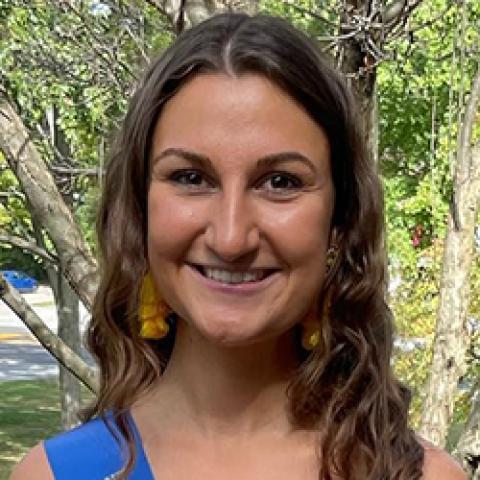
"The College of Public Health prepared me tremendously for the career that I am in now. I received an education that stretched across the entire public health platform, in which I had been educated on almost every primary topic that is relevant to public health work."

"By the end of the professional practice classes, I had a usable resume, cover letter, and all the preparation needed to get a job."
ÐÔ¸£ÎåÔÂÌì Our Concentrations
-
Health Services Administration
The Bachelor of Science in Public Health with a Health Services Administration concentration is designed to prepare students for entry-level positions in health care management, as well as establish a foundation for graduate work in health policy and management.
Students pursuing the Health Services Administration concentration have the opportunity to analyze and evaluate:
- National and local public health infrastructure
- The effectiveness and efficiency of health care delivery
- Legal and ethical issues of health care administration
Students who graduate with a Bachelor of Science in Public Health with a Health Services Administration concentration can enter the workforce in areas such as:
- Finance
- Compliance
- Patient navigators
- Insurance
- Administration
Most health services administrators work in an office environment and are in charge of planning, coordinating, supervising and managing different kinds of healthcare facilities and staff. They are responsible for organizing the financing and delivery of care within these facilities.
Their responsibilities vary depending on the size and operations of the health facility they oversee, but all the positions require solid leadership and managerial skills, as well as organization, strong communication skills and attention to detail.Some common duties of workers in health services administration positions include:
- Assessing the need for services, equipment and personnel
- Making recommendation for expansion/removal of services
- Establishing new or auxiliary facilities
- Compliance with government agencies and regulations
- Organizing the activities of clinical departments within a health facility
- Operations of non-health areas, including personnel, finance and public relations
If you're interested in pursuing career opportunities in health services administration, ÐÔ¸£ÎåÔÂÌì University can help you prepare. Learn more about this industry and the many other public health careers available today.
-
Global Health
The Bachelor of Science in Public Health with a Global Health concentration aims to educate students in identifying and addressing the critical public health and human needs of diverse, underserved and vulnerable populations. This work takes place on both a local and global level.
Through a variety of classes students can learn the need for multidisciplinary (biological and social sciences) approaches and cooperation to address the major global public health problems. Through various elective groupings, courses also focus more deeply on specific aspects of global health, including:
- HIV/AIDS
- Health policy
- Health disparities
- Health education
- Environmental health
- Nutrition
Students who graduate with a Bachelor of Science in Public Health with a Global Health concentration have the opportunity to work in:
- Local, regional, national or international public health agencies
- Public and private sectors
- Government organizations
- Organizations that work to promote change
- Social service agencies
- Medical facilities
- Community-based organizations
Some of the main duties of global health professionals include:
- Implementing public health policies on a local and international level
- Identifying the most pressing issues in a specific area and finding ways to combat them
- Educating people across the world about the importance of living a healthy lifestyle
- Working with underserved, vulnerable and diverse populations
- Developing strategic approaches to improving health in key areas of need
There are plenty of opportunities to make a difference in this dynamic field. If you're interested in pursuing career opportunities in global health, ÐÔ¸£ÎåÔÂÌì can help you get prepared. Learn more about this industry and the many other public health careers available today.
-
Pre-Medicine, Dentistry, Osteopathy Professions
Bachelor of Science in Public Health students who are interested in pursuing a professional degree in clinical medicine (dentistry, medicine, osteopathy, veterinary medicine) will follow the Pre-Clinical Professions track.
The preparatory courses for the Medical College Admissions Test (MCAT) and the professional schools are covered as a part of the Kent Core, public health Core, and general electives. The overall curriculum of this Pre-Clinical Professions track focuses on:
- Biological, social and economic determinants of health
- Prevention and control of diseases
- Introduction to biostatistics and public health research
- Public health internship opportunities focused on research/practices at a local, regional, national, or international venue
Each of these components makes this program a highly desirable preparatory option for students interested in attending professional schools. Its unique features open up new opportunities and offer competitive advantages for a student seeking to enter into clinical medicine.
-
Community Health Outreach and Development
The Bachelor of Science with a Community Health Outreach and Development concentration prepares students to engage effectively in professional practice to eliminate health disparities through community- and system-level strategies that promote health and healthy behaviors using a variety of population based initiatives.
- Identifying and exploring ways to influence the multi-level determinants of population health and health behaviors
- Eliminating health disparities and using a perspective that prioritizes health equity and social justice
- Community- and system-level strategies to promote health and healthy behaviors among populations through media, policy, and education initiatives.
Graduates from this concentration will be prepared to assist with developing, implementing, and coordinating public health interventions that promote community health and organize diverse communities around issues related to health and health behavior. Graduates might work in the public sector, social services, non-profit agencies, or with other community-based health promotion and advocacy efforts. This concentration is offered 100 percent online or in person.
-
Clinical Trials Research
Bachelor of Science in Public Health students with a concentration in Clinical Trials Research are prepared to work as a Clinical Research Associate or Clinical Trials Manager. This concentration is ideal for students interested in epidemiology and health research. With experience, there is room for advancement, and the clinical research field is growing.
All required classes for this concentration are available online AND at the undergraduate or graduate level:
- Clinical Epidemiology Basics (3 credits)
- Clinical Trials Management (3 credits)
- Scientific Writing for Clinical Research (3 credits)
- Regulatory Affairs in Clinical Research (3 credits)
- Pharmacoepidemiology (3 credits)
- Internship in Clinical Research (6 credits)
Clinical Trials Research graduates are prepared for jobs at:
- Contract research organizations
- Pharmaceutical companies
- Hospitals
- Medical schools
- Universities
- Insurance companies
Job duties include:
- Developing and managing research protocols and projects
- Recruiting and retaining research participants
- Collecting participant data and monitoring study regulation
- Monitoring procedures and ensuring that clinical trial protocols are followed
- Writing reports and presenting findings
-
Allied Health
The Public Health Allied Health concentration allows a student to apply the learning they received from their licensure to earn credit toward the Bachelor of Science in Public Health.
The Allied Health concentration in our Bachelor of Science in Public Health seeks to augment the career portfolio of the allied health professional or student. This concentration adds depth to the student’s prior clinical experiences by adding the liberal education and public health components to broaden the professional's career path.
Additionally, students in this concentration will be exposed to broad areas of public health including epidemiology, biostatistics, environmental health, global health and health policy. With a valid state licensure, students can earn 12 credits of undergraduate hours to fulfill the Allied Health concentration.
The public health bachelor’s degree with a concentration in allied health prepares students to meet the increased demands for a trained and educated public health workforce. This concentration is offered 100 percent online or in person, giving students maximum flexibility when pursuing their public health bachelor's degree.
Examples of Possible Careers and Salaries for Public Health - B.S.P.H.
Graduates of ÐÔ¸£ÎåÔÂÌì University’s Bachelor’s Degree in Public Health can pursue careers as public health coordinators, health promotion specialists, epidemiology assistants, or environmental health officers. They may find opportunities in public health agencies, healthcare organizations, nonprofit groups, or corporate wellness programs. This degree also provides a strong pathway for advanced study in fields such as global health, health policy, or public health administration, allowing for further specialization.
-
Community health workers
11.3%
much faster than the average
65,100
number of jobs
$51,030
potential earnings
-
Environmental scientists and specialists, including health
4.4%
about as fast as the average
90,300
number of jobs
$80,060
potential earnings
-
Health education specialists
4.5%
about as fast as the average
71,800
number of jobs
$63,000
potential earnings
-
Medical and health services managers
23.2%
much faster than the average
616,200
number of jobs
$117,960
potential earnings

-
Additional careers
- Project coordinators (falls under business operations specialists, all other)
- Social and community service managers
- Clinical research associates (falls under clinical laboratory technologists and technicians)
- Clinical research coordinators
- Public policy and social services
-
Notice: Career Information Source
* Source of occupation titles and labor data comes from the U.S. Bureau of Labor Statistics' . Data comprises projected percent change in employment over the next 10 years; nation-wide employment numbers; and the yearly median wage at which half of the workers in the occupation earned more than that amount and half earned less.